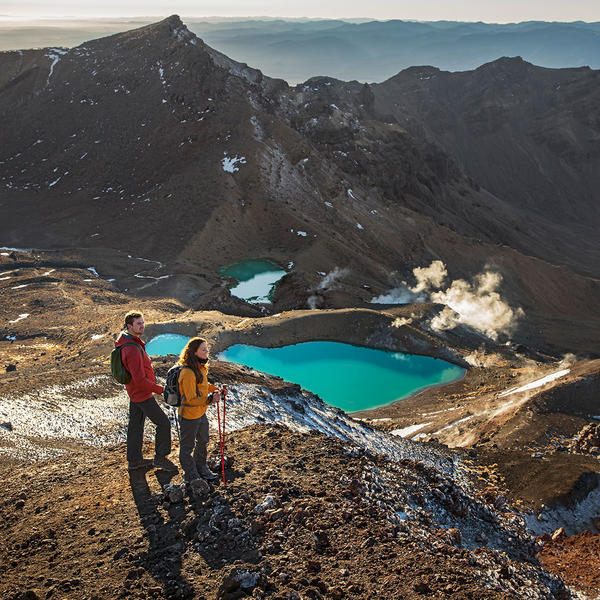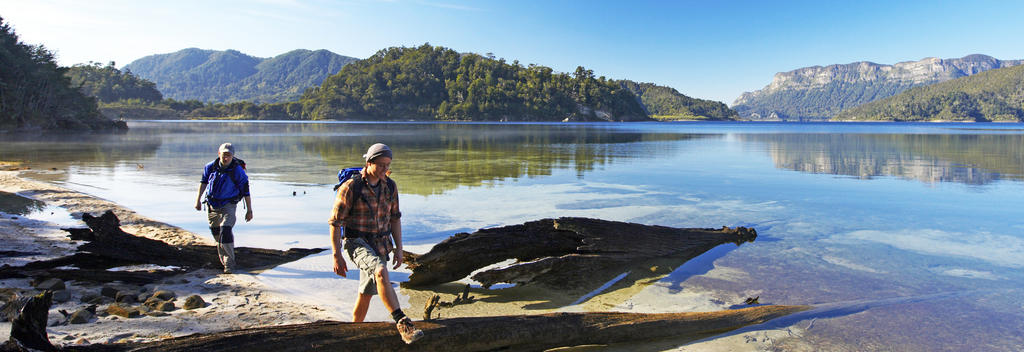

Journey into the enchanted green world that surrounds beautiful Lake Waikaremoana.
Walk in Te Urewera area, the home of the Tūhoe people and venture through rainforest, wetlands and a magical 'goblin forest'.
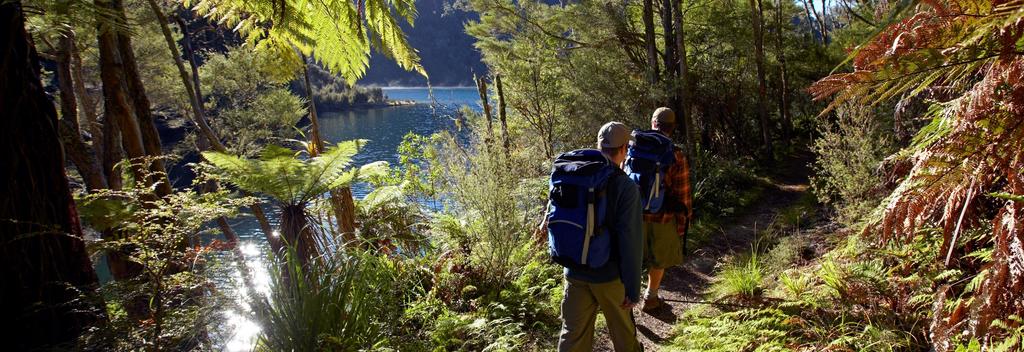

The Lake Waikaremoana track(opens in new window) has the largest area of native forest in the North Island.
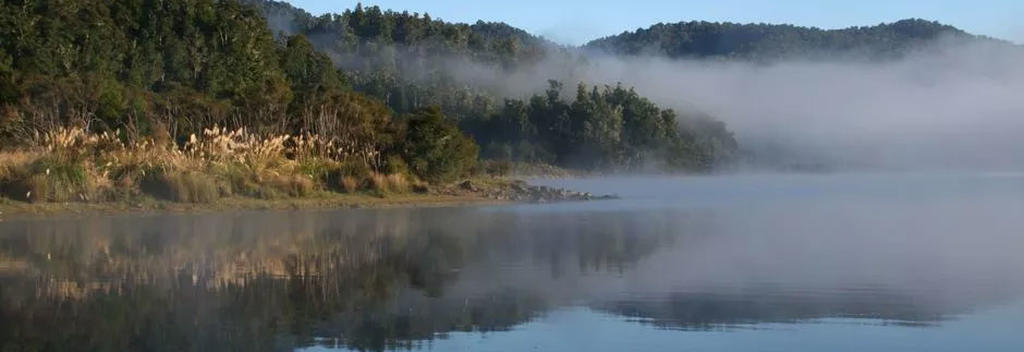
This region is the ancestral home of the Māori iwi (tribe) Ngāi Tūhoe - the ‘Children of the Mist’. Within the boundaries of Te Urewera, the track mostly follows the shores of the great lake.
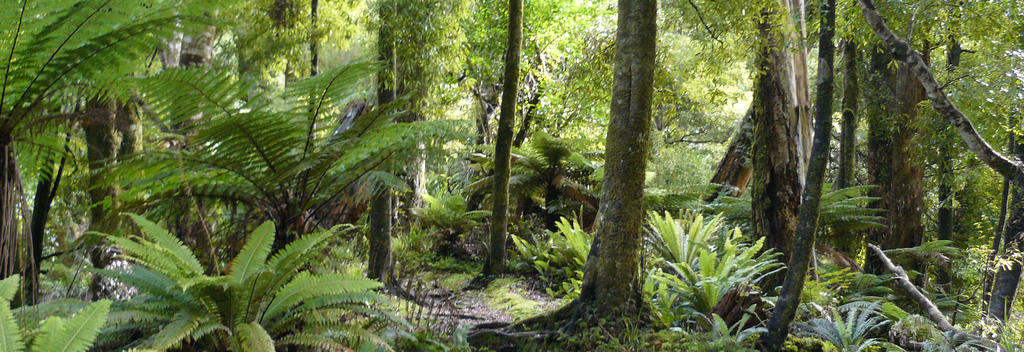
Over three to four days, the track on this Great Walk leads you through pristine rainforest, regenerating shrubland areas of wetland, native bush and the ‘goblin forest’. You will also discover magnificent rivers, waterfalls and unique valleys of mist.
The Tūhoe people have lived in Te Urewera region for centuries and they have deep spiritual links with the land. Isolation and Tūhoe's respect for their forests, mountains, rivers and lakes have kept foresters and farmers away from Te Urewera for many years.
Home to nearly every species of North Island native forest bird, the area also gives visitors a glimpse of the avian culture that once flourished in New Zealand. The melodic call of the tūī is likely to follow you everywhere as well as the kererū (wood pigeon).
Kiwi roam these lands so listen out for their calls at dusk.
The fitter you are the more you will enjoy yourself, so a good level of fitness and strength is necessary.
Find out more about the walk and what is involved;
Day 1, Onepoto > Panekire Hut, 8.8 km
The first day is the most challenging part of the walk but the spectacular views from Panekire make it worth the effort.
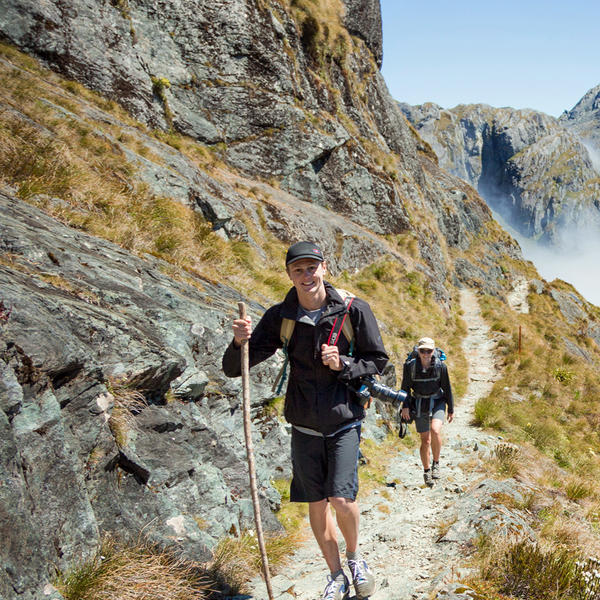
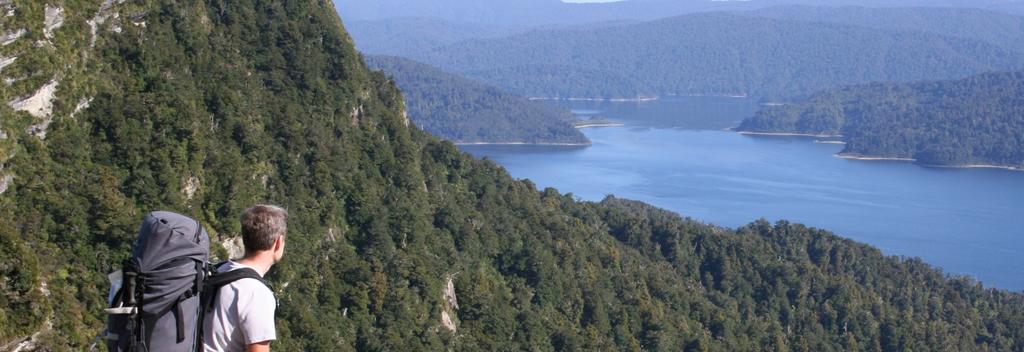
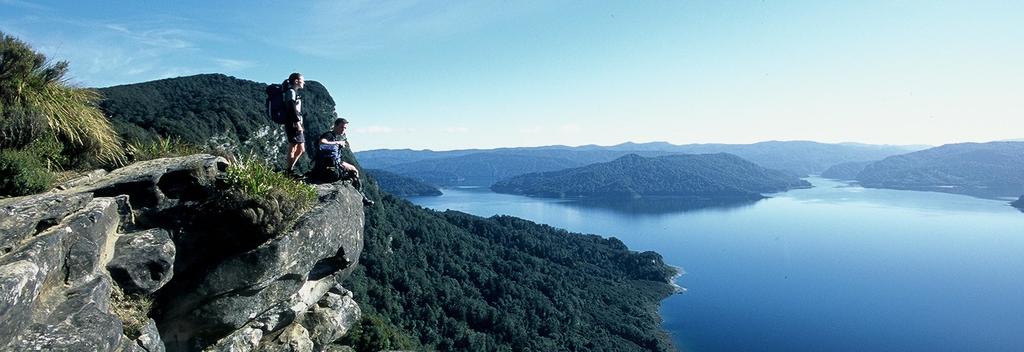
The track itself begins from the Onepoto Shelter before climbing steadily to the Panekire Bluff. It then follows the ridgeline before reaching Panekire Trig (1,180 metres). Here, enchanting long-range scenic views across the lake to the misty forest-clad mountains await.
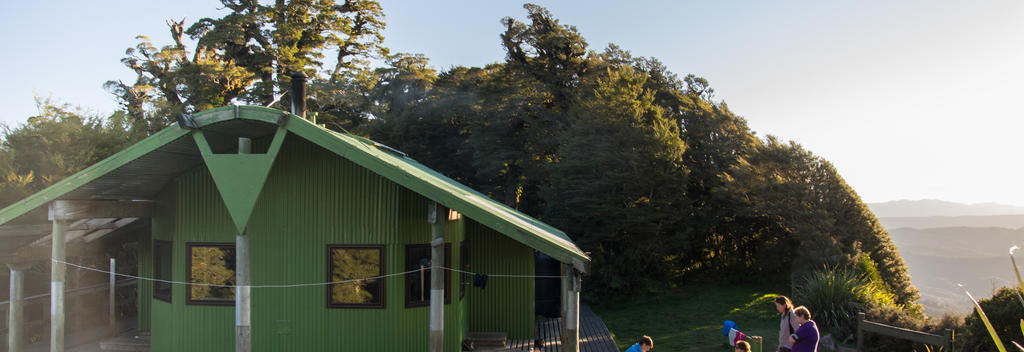
Shortly after the trig you'll arrive at Panekire Hut(opens in new window).
Day 2, Panekire Hut > Waiopaoa Hut, 7.6 km
From Panekire Hut, the track heads south-west to the top of the Panekire descent.
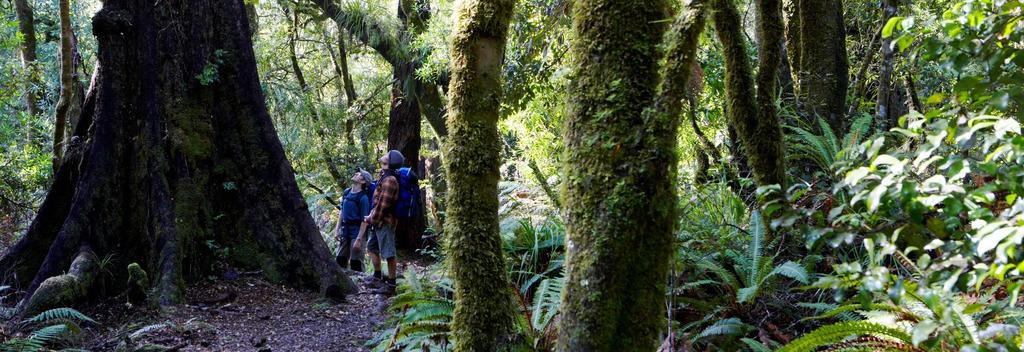
From here, the track drops off into rolling valleys of native forest. You’ll see rimu trees towering above the lower canopy of red beech. Rimu have drooping branches and long, prickly leaves.
Other native species that dominate the upper canopy include miro, tōtara, kahikatea, mataī, rātā, tawa and a range of tree ferns.
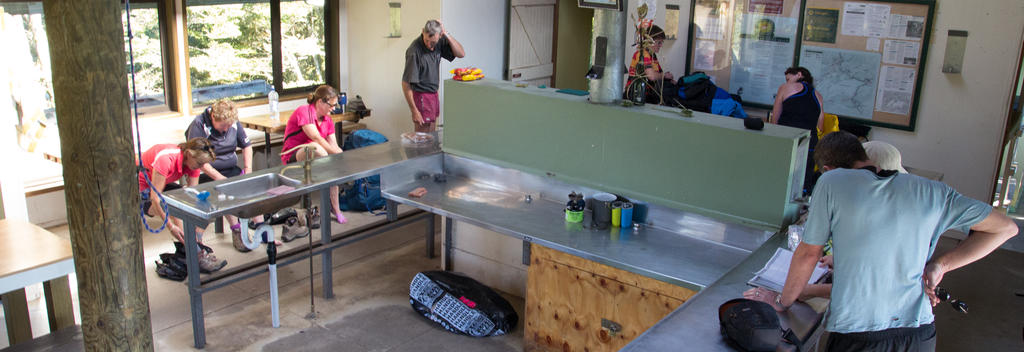
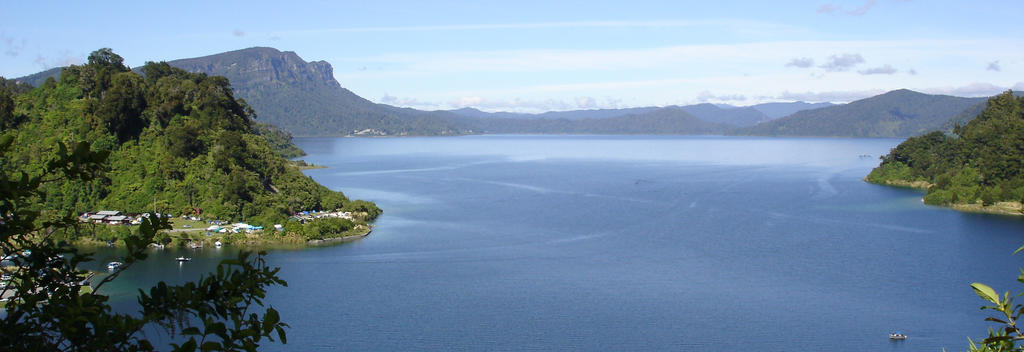
At the edge of the forest you'll come to the Waiopaoa Inlet, where the Waiopaoa Hut(opens in new window) is located.
Day 3, Waiopaoa Hut > Marauiti Hut, 12.1 km
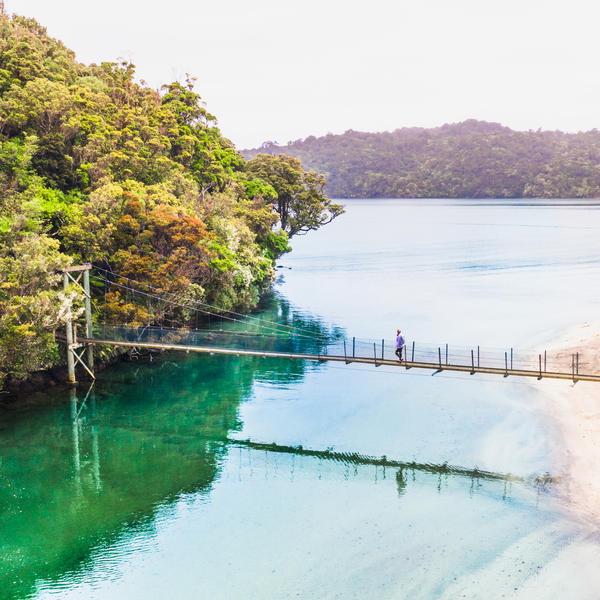
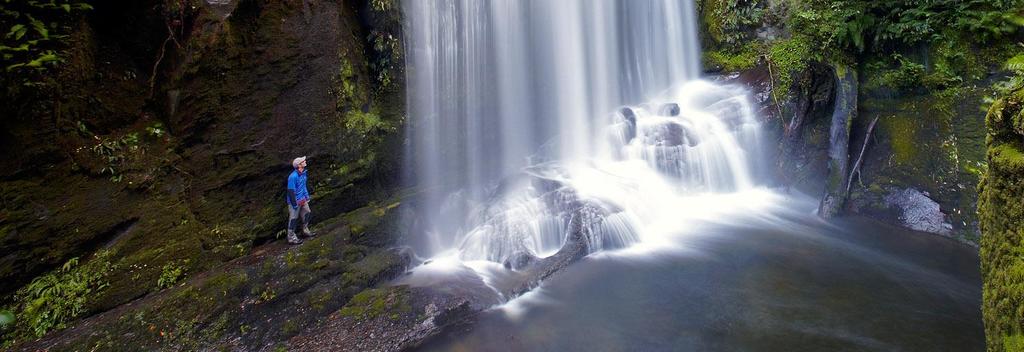
This morning, follow the stream before crossing grassy flats and heading through forest and along the lake shore. Just before you come to a suspension bridge there's a turn off to the Korokoro Falls(opens in new window) - a must-see. The falls are a 30-minute walk up a side track and offer a beautiful place to stop and rest for a morning snack.
From here, the track winds its way up and over a number of small ridges and along the lake edge.
A short climb up the Whakaneke Ridge leads you to Marauiti Hut(opens in new window). At dusk, make sure you go for a walk to the end of the peninsula and listen for the call of the kiwi.
Day 4, Marauiti Hut > Hopuruahine, 14.2 km
After crossing a bridge over a stream you'll cross a saddle to rejoin the shore at Te Totara Bay.
From here, the track winds it's way along the lake shore. Stop for a refreshing swim mid-morning to cool down in summer.
Continue along river flats and up & over a small peninsula before reaching the water taxi pick up point.
From here, the track follows more river flats to reach the Hopuruahine Suspension Bridge & the track end.
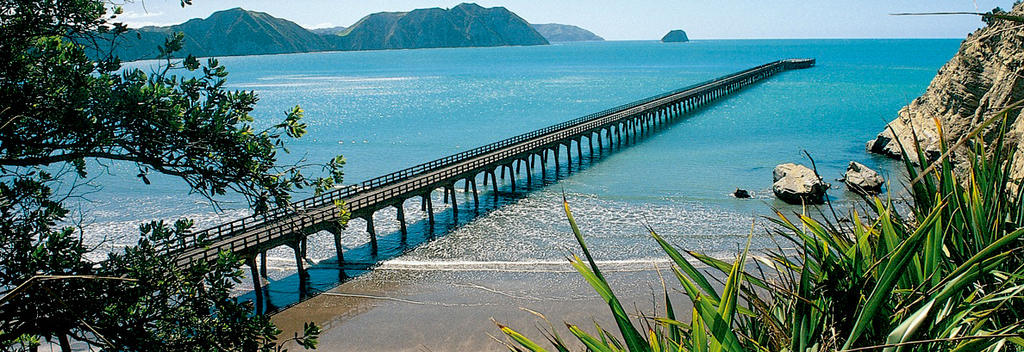
Lake Waikaremoana Track is not a circuit track, so if you choose to drive to the beginning you will need to organise transport from the end of the track. Shuttle buses or a water taxi are good options.
The walk begins near the town of Wairoa, which has limited accommodation options. Alternatively, an hour and a half away lies the sunny city of Gisborne, which has more choice as well as many of its own attractions on offer. Search for accommodation here.
Waikaremoana can be approached from two directions on SH38 which runs from Waiotapu in the north to Wairoa on the East Coast.
SH38 passes Te Karetu where Te Urewera Visitor Centre (Te Kura Whenua) and the Waikaremoana Holiday Park are located.
The Lake Waikaremoana Great Walk can be accessed from both Onepoto and Hopuruahine landing - althought the Hopurauhine road is only accessible with 4WD.
The start of the track at Onepoto is approximately 20 minutes drive from Te Karetu.
Water taxi Tūhoe(opens in new window) offers a water taxi service to and from each end of The Lake Waikaremoana Track and to individual huts and campsites around the lake - they operate out of Te Urewera Visitor Centre at Te Kura Whenua, which is located within Waikaremoana Holiday Park.
The water taxi service only operates during the Great Walk season which is from October to April. However, the water taxi does not operate every day so you need to plan ahead by contacting Tūhoe on;
Parking is usually very busy during peak season. Remember not to leave valuables in your vehicle.
You can park;
There is free day-time parking available at Te Urewera Visitor Centre at Te Kura Whenua. Limited to one day.
A number of specialist tour operators can aid in bringing your walking experience to life. Take a look at these businesses to find if a walking tour is right for you.
If you want to do a Great Walk independently, you will need to book the accommodation on the trails. The fee for this varies between each Great Walk.
It is recommended that you book in advance for this popular walk.

Plan My Walk takes the guesswork out of your preparation by bringing together the right information needed for planning a safe and successful walk or tramp.

The Great Hikes app is a comprehensive guide to plan your New Zealand Great Walk.
Great Hikes app - Lake Waikaremoana Track(opens in new window)

Department of Consevation provides detailed information about this trail, accommodation, gear list, and safety information.

The Tiaki Promise is a commitment to care for New Zealand, for now, and for future generations.