
Great Walks season: Late October until end of April
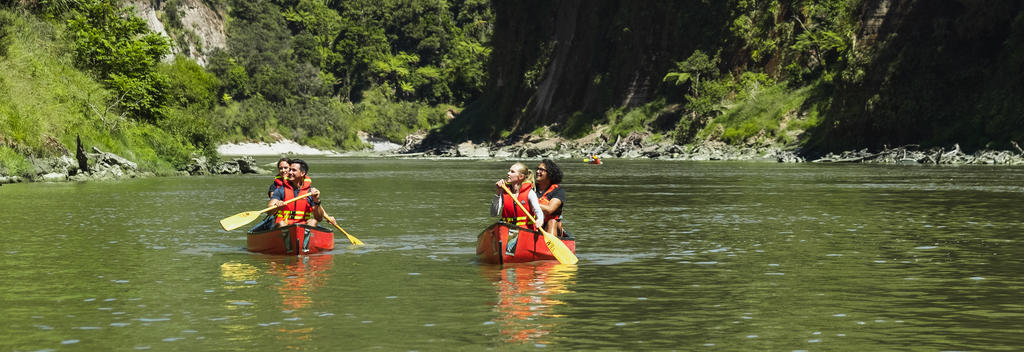
Paddle down the Whanganui River for a memorable trip through a wildly beautiful national park.
Find out how to plan for your Whanganui Journey - a unique Great Walk of New Zealand, in the Whanganui National Park.


This five-day journey by canoe or kayak follows the Whanganui River through the pristine native forests of Whanganui National Park.
With a length of 290 kilometres, the Whanganui River is one of the longest rivers in the country. It is also the only river in New Zealand to be protected by an innovative bill that grants the river the same legal rights as a person.
The journey has been named one of New Zealand's ten Great Walks. But what makes it different from the other nine walks is that this five-day journey involves paddling down the river instead of hiking on land.
Embark on a tranquil journey drifting along a river surrounded by steep canyons, far from the bustling modern world. Here, you'll find serenity, the joyful chirping of birds, and lush native forests clinging to the cliffs. At one point, take a break from your canoe and follow a simple hiking trail to uncover the Bridge to Nowhere, which offers breathtaking views.
There are plenty of huts and campsites along the river. Prebook is essential during peak season.


The more prepared you are the more you will enjoy yourself, so a good level of fitness and strong swimming ability are needed.
If you cannot swim this is not the trip for you.
Find out more about the journey and what is involved:
Day 1, Cherry Grove, Taumarunui > Poukaria Campsite, 36 km
The land around the Whanganui River Journey is remote and rugged. Beginning just out of Taumuranui, you'll soon experience steep- sided forested valleys that stretch as far as the eye can see. As you wind your way down the Whanganui River, the land rises steeply on all sides providing the sensation of being cradled deep in heart of the forest. Tonight you'll sleep in Poukaria Campsite(opens in new window), where you'll be able to look and listen for kereru, tui and fantail. Brown kiwi can often be heard at night. The surrounding forest is a mix of rātā, rewarewa, rimu, tawa and kōwhaitrees.
Day 2, Poukaria Campsite > Mangapapa Campsite, 32 km
As you paddle further into the wilderness, you'll notice that the vertical forests concentrate the melodies of the abundant native birdlife. The day begins with a dawn chorus which then continues through the day. Plump kererū (wood pigeon) plummet from the forest canopy before gaining sufficient speed to rise again and noisily crash-land into the foliage in search of more berries. Cradled within a valley, the Mangapapa Campsite(opens in new window) is just off the river, it's remoteness emphasizing that you're deep within the park.
Day 3, Mangapapa Campsite > John Coull Hut, 37 km
Today, look out for plump kererū (wood pigeon) plummet from the forest canopy before gaining sufficient speed to rise again and noisily crash-land into the foliage in search of more berries. Enjoy sleeping in a hut instead of a tent tonight. At dusk around John Coull Hut(opens in new window), long-tailed bats can be seen crossing the river high above the canopy. And at night, the sharp screech of kiwi can often be heard.
Day 4, John Coull Hut > Tieke Kainga Hut, 30 km
Heading off from John Coull Hut, see if you can hear the native tūī bird waking up. Their bell-like notes and rasping coughs, clicks and rattles are conspicuous with their sleek dark-metallic feathers and tuft of white on their neck. Fantails execute seemingly impossible aerial manoeuvres in pursuit of invisible insects while the sounds of native robins, grey warblers and tomtits can also be heard.
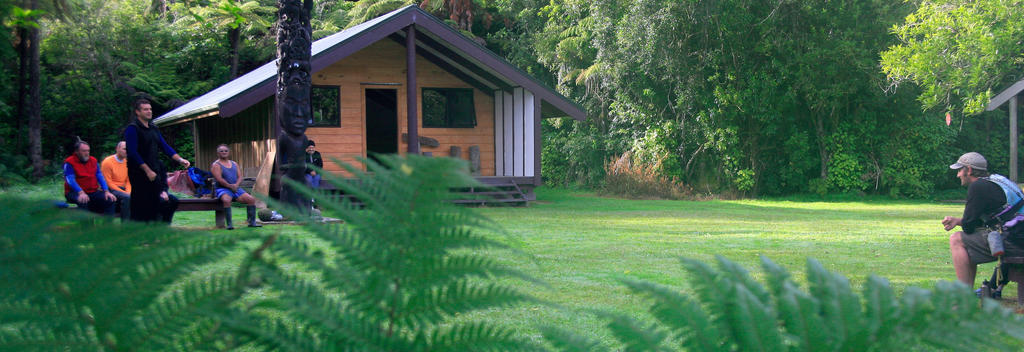
The Tieke Kainga Hut(opens in new window) is a large hut complete with heating and cooking equipment. Tīeke Kāinga Hut offers a unique cultural experience since it’s a functioning marae as well as a hut, please be respectful and practice tikanga(opens in new window) during your visit to this hut.
Day 5, Tieke Kainga Hut > Pipiriki, 20 km
Savour the last few hours of wilderness and birdsong this morning as you paddle to the end of your river journey in Pipiriki.


The Whanganui Journey begins on the outskirts of Taumarunui and finishes in Pipiriki.
A small but vibrant town, Taumarunui is the starting point of the Whanganui Journey and a hive of activity.
Raft of outdoor activities, including Whanganui River canoe trips and trout fishing for which the area is world-famous.
Other options include mountain biking through Pureora Forest on the Timber Trail, and taking the famous railcart trip with Forgotten World Adventures. Railway enthusiasts may also want to check out the engineering marvel known as the Raurimu Spiral, not far away.
Visitors looking for more relaxing activities are also well catered for. Must-dos are shopping on the high street, visiting Lauren’s riverside lavender farm(opens in new window), and enjoying good food and company down at the friendly RSA.
The village of Pipiriki is located at the south end of the Whanganui River Journey.
From Pipiriki, you can take a jetboat to the Bridge to Nowhere, or head out hiking or mountain biking in the Whanganui National Park.
Pipiriki Camping Ground(opens in new window) is a very short walk to the Whanganui River, fast food and tours of the river can be purchased and organised onsite.
Ohakune is 45 minutes drive from Pipiriki and is also a great base and nice place to relax after the journey.


There are a number of specialist tour operators who can aide you in bringing your paddling experience to life.
If you are completing the journey independently, you will need to book your accommodation(opens in new window) in advance.
The accommodation fees vary between each Great Walk and a discounted rate is available for New Zealanders, with proof.

Four simple rules, also known as The Water Safety Code(opens in new window), to help you stay safe when swimming and paddling in the outdoors of New Zealand.
Learn to swim, survive and play safe in the water. Always use safe equipment (life jackets etc). Always check the weather and water conditions in advance.
Pay close attention to children you are supervising in or near water. Swim with others.
Prepare for bad weather and an unexpected night out. Enter shallow and unknown water feet first and obey the safety signs. Do not enter the water after drinking alcohol.
Challenge yourself within your physical limits and experience. Learn safe ways of rescuing others and pulling yourself out of danger.
The Land Safety Code(opens in new window) and swimming information(opens in new window) are also worth reading prior to starting the Whanganui Journey.
Find out what to pack(opens in new window).

Plan My Walk takes the guesswork out of your preparation by bringing together the right information needed for planning a safe and successful walk or tramp.

The Great Hikes App is a comprehensive guide to plan your New Zealand Great Walk.

Department of Consevation provides detailed information about this trail, accommodation, gear list, and safety information.

The Tiaki Promise is a commitment to care for New Zealand, for now, and for future generations.