
New Zealand is a safe place to travel, but it pays to prepare and take a few precautions so that your time here is comfortable and trouble-free.
Exactly what you'll find, depends on when you come.
Learn more about the available visa options and entry requirements into New Zealand.
Find more information on flights to New Zealand.
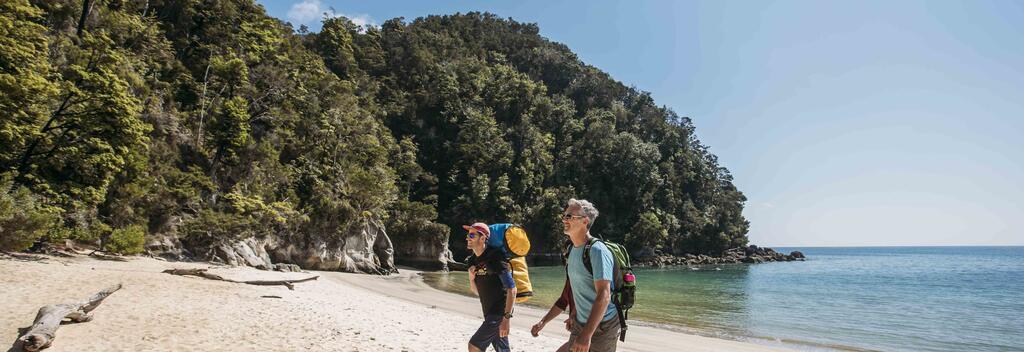

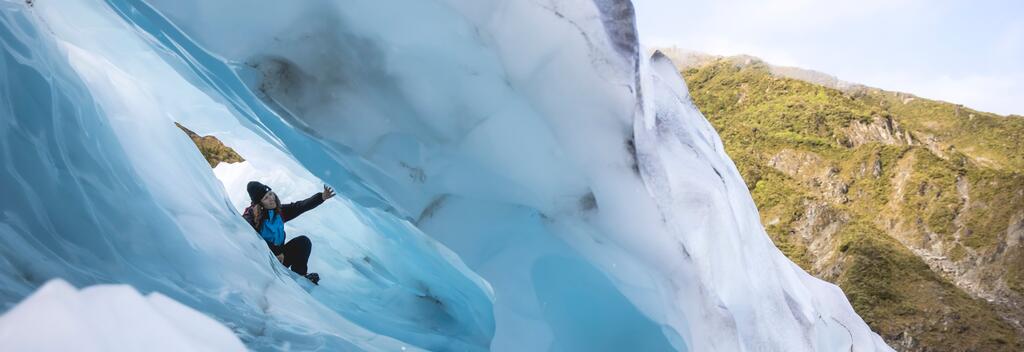

Most visitors come to New Zealand to enjoy our unique natural environment – but it can be easy to underestimate the risks associated with our great outdoors.
Take the time to learn about where you are going, plan a safe route and seek advice from others. Talk to staff at the local isite Visitor Information Centre or Department of Conservation (DOC) Visitor Information Centre on how to best prepare for heading into New Zealand’s bush or mountain areas.
Know your limits
A walk in a city park is very different to a walk in a National Park. Don’t underestimate any “walk” outside of the main centres. You need to be reasonably fit to enjoy our bush, mountains and National Parks. Check the recommended level of fitness required for any walk before you head off.
Plan your trip and tell someone where you are going
Plan out your route, leave the details with someone and give a date for when to raise the alarm if you haven’t returned. You can find a handy Outdoor Intentions form(opens in new window).The more details you provide about your intentions, the more quickly you can be located and rescued if something goes wrong.
Be prepared
You need the right clothing, footwear, equipment and supplies for any time in the outdoors. A cheap raincoat will not keep you warm and dry in the bush or in windy conditions. Shoes that you wear on the street will not be good enough when you are walking on muddy tracks or climbing over rocks. Even a short bush walk in summer on the outskirts of Auckland requires sturdy shoes, a hat and sunscreen, snacks and plenty of water. Always make sure you have enough food and water to cover you in an emergency.
Check the weather
New Zealand’s weather can change extremely quickly and can be severe at times. A day that starts out sunny may turn cold, wet and windy. You must always be prepared for wet, cold weather if you are heading into the bush, the mountains or onto the water. On days when it is sunny, remember that the sun’s UV rays are stronger in New Zealand than much of Europe or North America, so be prepared to wear a hat and sun block. Always check the weather forecast and be prepared for four seasons in one day. Check weather conditions and any alerts from DOC(opens in new window) (Department of Conservation) before you set out on a walk or hike. Treat all weather warnings seriously.
If lost, seek shelter and stay where you are
New Zealand has highly skilled search and rescue teams throughout the country. If you get lost, seek shelter and wait. Use a torch/camera flash to attract attention at night. Try and position something highly coloured and visible from the air to help a helicopter search during the day.
Fire safety
Before lighting a fire, find out the risks and whether you need a permit at checkitsalright.nz(opens in new window).

Plan My Walk takes the guesswork out of your preparation by bringing together the right information needed for planning a safe and successful walk or tramp.
Earthquakes are sudden movements of the Earth's crust caused by the release of built-up stress along geological faults or by volcanic activity.
Tsunamis are waves generated by a rapid displacement of a large volume of water. They are most commonly produced by large, offshore earthquakes that cause uplift of the sea floor.
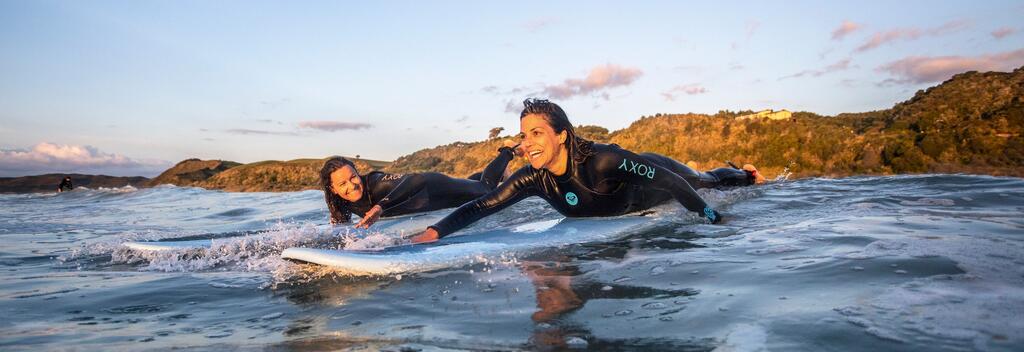
New Zealand’s extensive coastline, beaches, rivers and lakes provide plenty of opportunities for swimming, surfing, diving, boating and fishing. However, many people are unprepared for the potential dangers of the water. We recommend that you read the beach safety tips on the Surf Lifesaving NZ website for advice on how to stay safe on New Zealand’s coastline and waterways.
Top tips for beach safety in New Zealand:
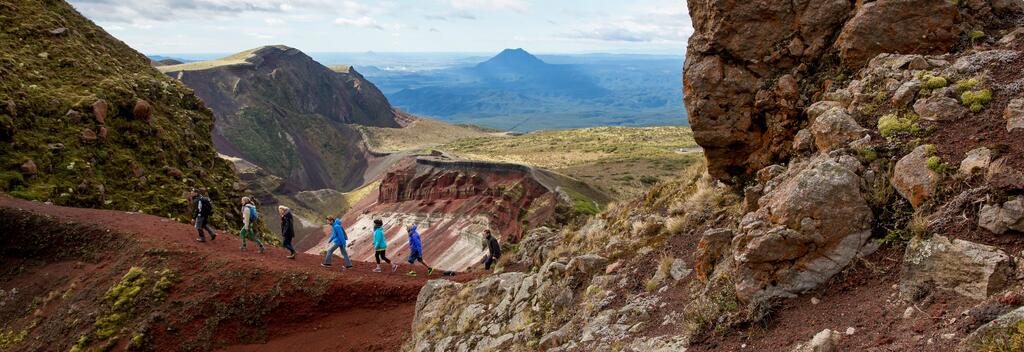

New Zealand is home to active and dormant volcanoes and has many popular geothermal destinations. If you plan to visit a region with volcanic activity, it's essential to keep updated with the latest warnings.
Thermal pools can be very hot (over 100⁰C or 210⁰F) or have toxic gases or fumes at the surface. Also, thermal pools can form a thin crust over the top of them that looks like a solid surface, but will break if a person stood on it. Thermal pools can be hidden under vegetation.
For your own safety, please ensure you and your children stick to the walkways, stay behind the barriers, and obey the safety signs. We recommend holding hands with young children when walking through the park.
Being an active geothermal area with uneven terrain, sturdy footwear is recommended. Jandals, sandals, flip-flops or high heeled shoes are not suitable.

We strongly advise you to arrange your own travel and health insurance for your time in New Zealand. New Zealand's public and private medical/hospital facilities provide a high standard of treatment and service, but it is important to note these services are not free to visitors, except as a result of an accident.
If you are injured in an accident while visiting New Zealand, your care will be paid for in part by New Zealand’s Accident Compensation Corporation (ACC)(opens in new window) In New Zealand, you cannot sue anyone for compensatory damages if you are injured. Instead, ACC helps to pay for your care, which includes paying towards the cost of your treatment and assisting in your recovery while you remain in New Zealand.
You will still need your own travel and medical insurance because ACC does not cover everything:

Important things you need to know about driving in New Zealand.


Visitors bringing in a quantity of medication are advised to carry a doctor's certificate to avoid possible problems with New Zealand Customs on arrival. Doctor's prescriptions are needed to obtain certain drugs in New Zealand.


