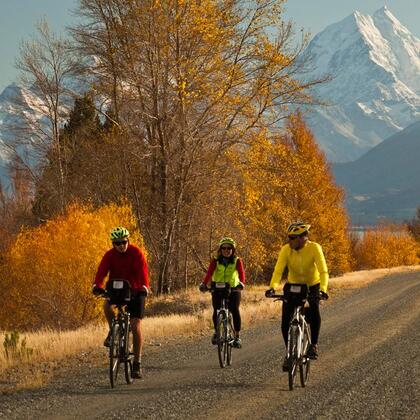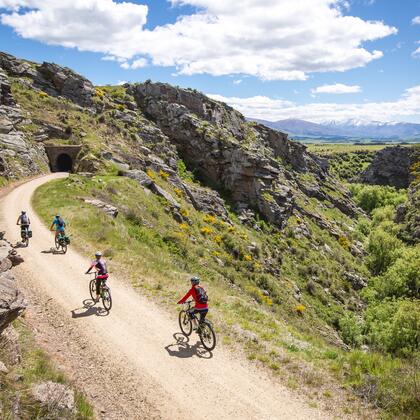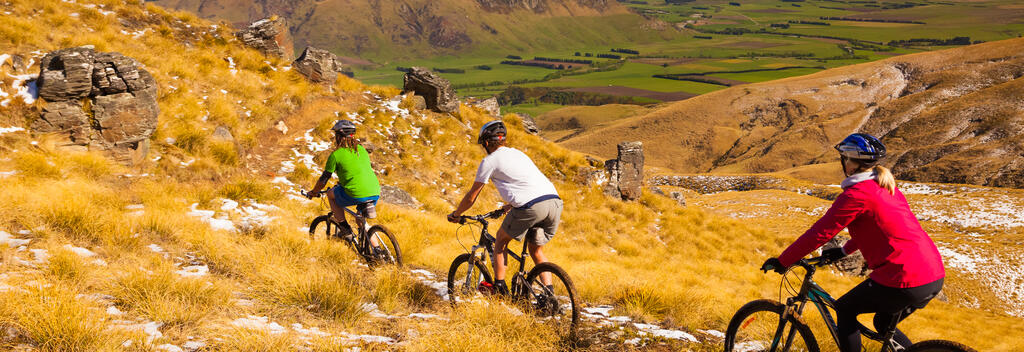

To ensure your time on two wheels is as safe as it is memorable, here is how to navigate the trails with confidence.


New Zealand’s maritime climate is famously changeable. Being prepared means you can focus on the ride, not the weather.
The essentials:
An approved, well-fitted cycle helmet is compulsory in New Zealand. Before you head out, perform a "safety check" on your brakes, tires, and chain.
Layering:
Pack several layers suitable for the conditions. We recommend a merino wool base layer—it stays warm even if it gets damp—paired with a seam-sealed waterproof shell.
Fuel and hydration:
Many of our trails are remote with limited water access. Always set off with more water and high-energy food than you think you’ll need.
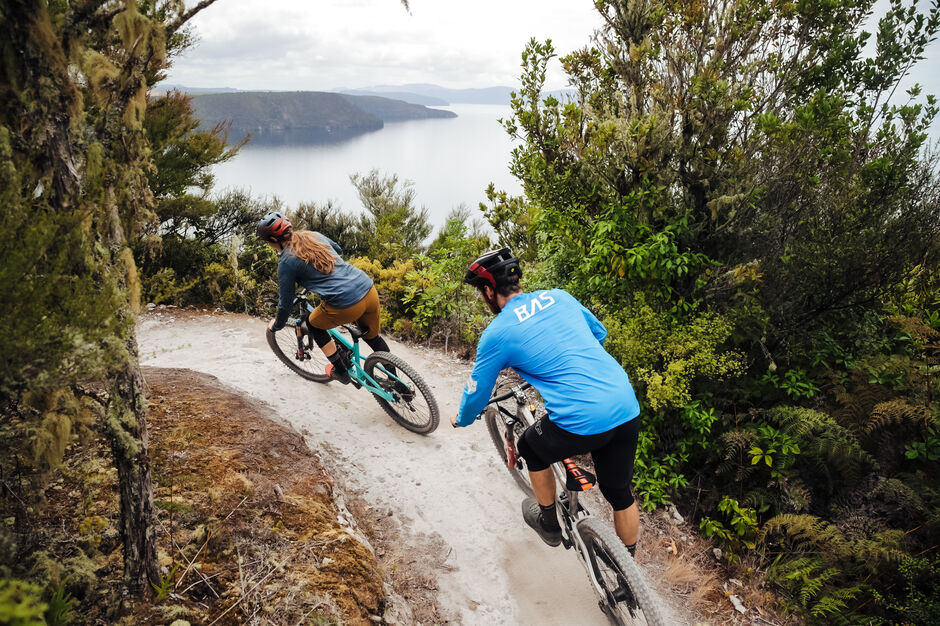

Our trails are a shared taonga (treasure). Following the code ensures every user – whether on foot, horse, or bike –has a positive experience.
Respect others:
Always give way to walkers and horse riders. When meeting other cyclists on a hill, the uphill rider generally has the right of way.
Communicate clearly:
Use a bell or a friendly vocal greeting like "on your left" when approaching others from behind to avoid startling them.
Ride your level:
New Zealand trails are graded from 1 (Easiest) to 6 (Extreme). Stick to tracks that match your current skill level and "pre-ride" unfamiliar sections before committing to speed.
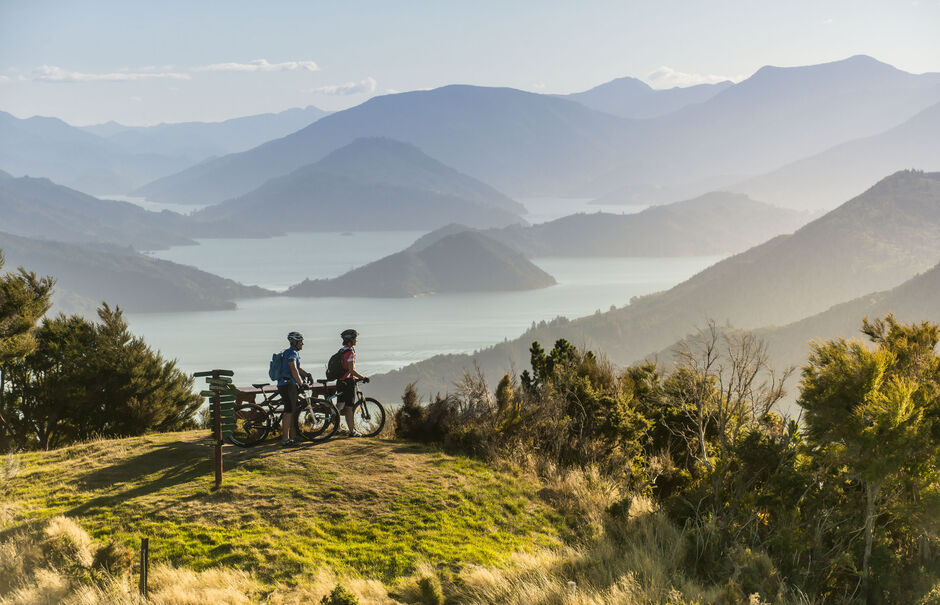

Many of our best tracks lead deep into the backcountry where cell coverage is often non-existent.
Share your plans:
Always tell someone where you are going and when you expect to be back. For remote missions, carrying a Personal Locator Beacon (PLB) is highly recommended.
Stay on the track:
Stick to public trails to prevent erosion and protect our native flora and livestock.
Protect your gear:
When stopping at trailheads or scenic spots, never leave valuables visible in your vehicle.
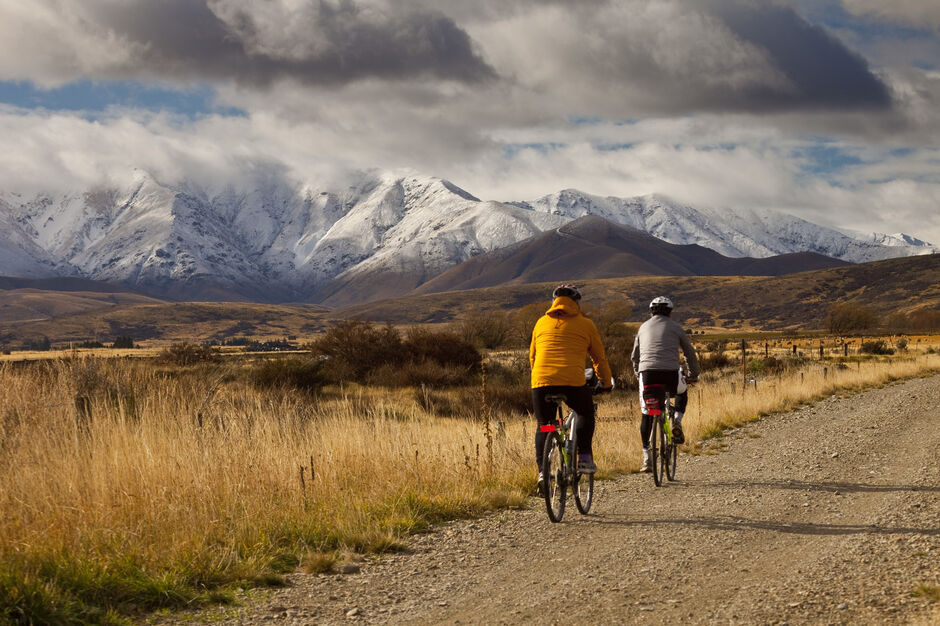

On New Zealand roads, cyclists have the same rights and responsibilities as motorists.
Keep left:
We always ride on the left-hand side of the road. Stay as far left as is practical, but if a lane is too narrow for a car to pass safely, "take the lane" by riding in the centre to make yourself visible and prevent dangerous overtaking.
Helmets are mandatory:
It is a legal requirement for all cyclists to wear an approved safety helmet, securely fastened, at all times.
Be seen:
Use lights (white at the front, red at the rear) from 30 minutes after sunset until 30 minutes before sunrise, or whenever visibility is poor.
Mastering roundabouts:
Treat these as a single lane. Move into the centre of the lane before entering to ensure you aren't "squeezed" by other vehicles. Signal your intentions clearly: signal right if turning right, and always signal left as you pass the exit before the one you intend to take.
One-lane bridges:
These are clearly signposted to show who must give way. A red circle means you must give way to oncoming traffic; a blue rectangle means you have priority. Regardless of the sign, always slow down and check that the bridge is clear before crossing.
Communicate:
Use hand signals for at least three seconds before turning or stopping so drivers can predict your moves.
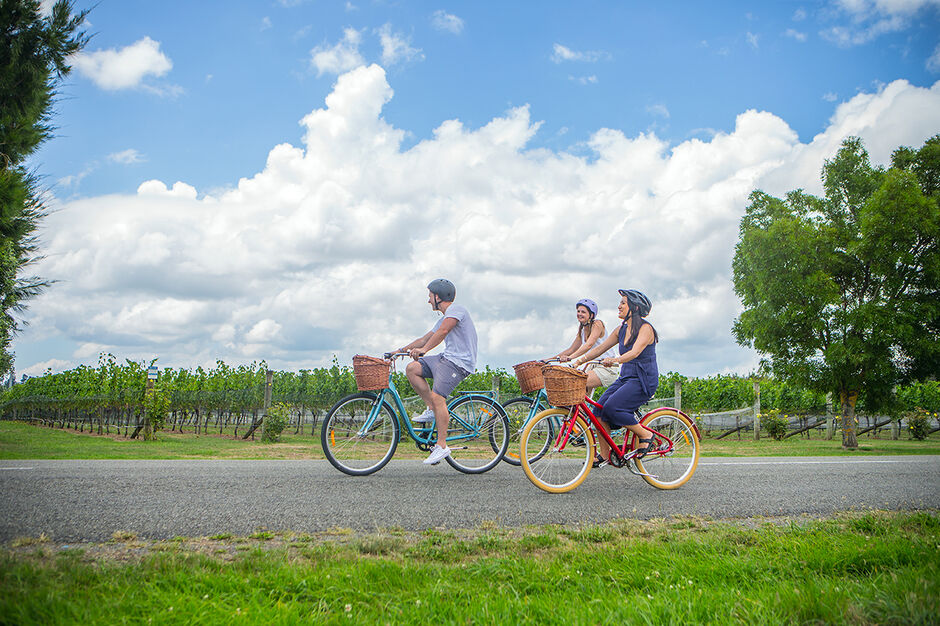

Riding abreast:
You can ride next to another cyclist, but you must ride in single file when passing other vehicles or if you are impeding traffic.
Pedestrian spaces:
Riding on the footpath is illegal unless you are delivering mail or on a designated shared path. When on shared paths, give way to walkers and use a bell or a friendly greeting before passing.
Looking for deals