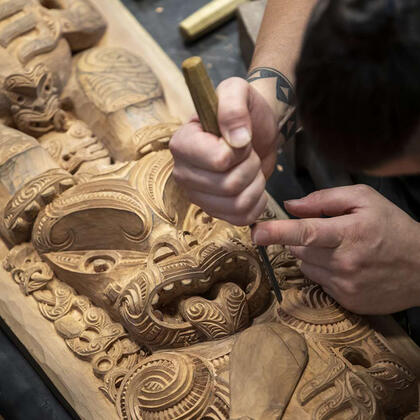
Pounamu, also known as jade or greenstone, is a precious stone revered by Māori and New Zealanders alike.
Pounamu is often carved into what we call taonga, a sacred implement or adornment which has a deeply personal meaning connecting the wearer to their family, ancestors and the land.

Poutini is a taniwha (giant water being) who roams the seas off the West Coast of the South Island, protecting both the people and the mauri (life force) of pounamu. This region is known to Māori as Te Tai Poutini, the shores of Poutini.
One day while resting in the warm waters off Tūhua (Mayor Island), Poutini saw a beautiful woman bathing in the sea. Her name was Waitaiki. Enchanted, Poutini kidnapped her and fled south towards his mainland.
Waitaiki's husband, Tamaahua, upon realising his wife had been taken threw a magic dart in the air to seek and find Waitaiki. Following the dart he headed off in relentless pursuit of Poutini. Tamaahua would not rest until he found Waitaiki. Poutini decided the only way to keep her was to turn her into his essence. He transformed Waitaiki into pounamu and laid her down within the riverbeds of the Arahura River.
When the chief discovered his wife turned to stone, he let out a tangi - a tremendous song of grief. If you listen closely in New Zealand's deep south, you may still hear Tamaahua’s song echo through the mountains.

Māori quickly realised the economic value of pounamu. Some pounamu varieties have a similar strength and hardness to steel and are as rare as gold.
Pounamu was in high demand throughout Aotearoa and became the driving force of the Māori economy. At least fifteen trading routes were used by the 1800s. Pounamu was such a significant national resource that the South Island became known as Te Wai Pounamu, meaning Waters of Greenstone. Today Ngāi Tahu are the kaitiaki (guardians) and legal owners of pounamu Ngāi Tahu Pounamu.(opens in new window)
Learn more and experience the immersive storytelling that is Pounamu Pathway(opens in new window) at different locations across the West Coast.


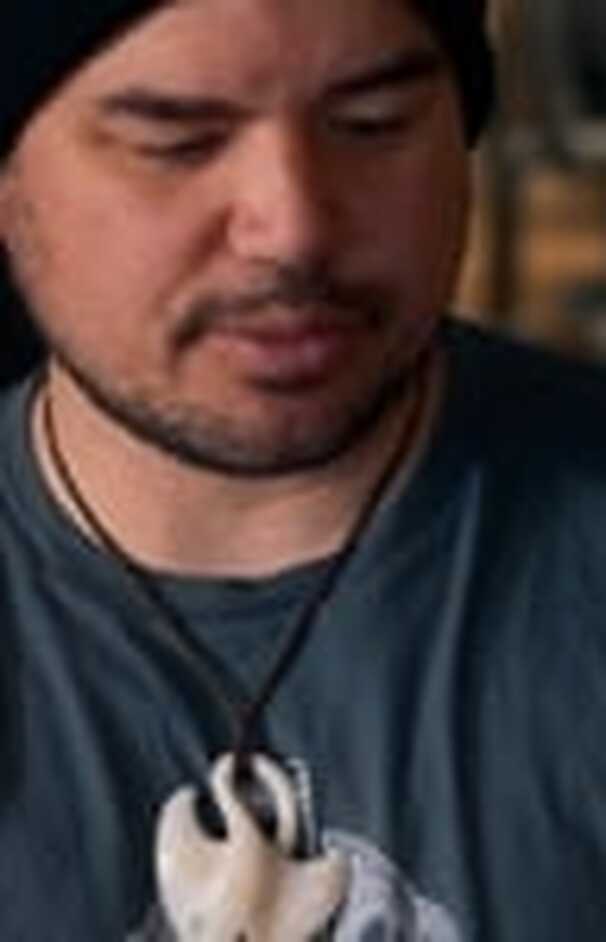
“My beautiful pounamu necklace was handed down from my nana, Ra Awatea Rikihana (nee Eruini), Te Ātiawa ki Whakarongotai, to my mum Kuini who then passed it on to me 20 years ago. He taonga tuku iho. I feel nana’s protection and the strength of our tūpuna when I wear it. It’s incredibly special to me.”
- Mishy Rikihana-Vieira (Te Ātiawa ki Whakarongotai, Ngāti Raukawa ki te Tonga, Ngāti Korokī ki Ōtaki)
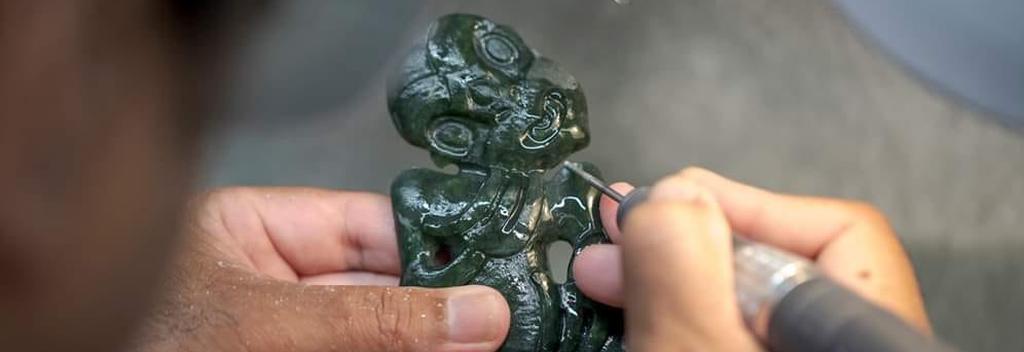

Pounamu jewellery is typically carved into traditional Māori symbols. More than just a beautiful art form(opens in new window), pounamu can represent ancestors, connection with nature, or attributes such as strength, prosperity, love, and harmony.
Some of the most popular designs are:
There are many varieties of pounamu reflecting the different shades and colour variations. Kawakawa (a medium to dark green) is the most common variety of pounamu. The most prized was Kahurangi - the lightest and most translucent of the green shades. Tahutahi, was also highly prized as it was the rarest with a rich and intense green, with a striking white snowflake effect.
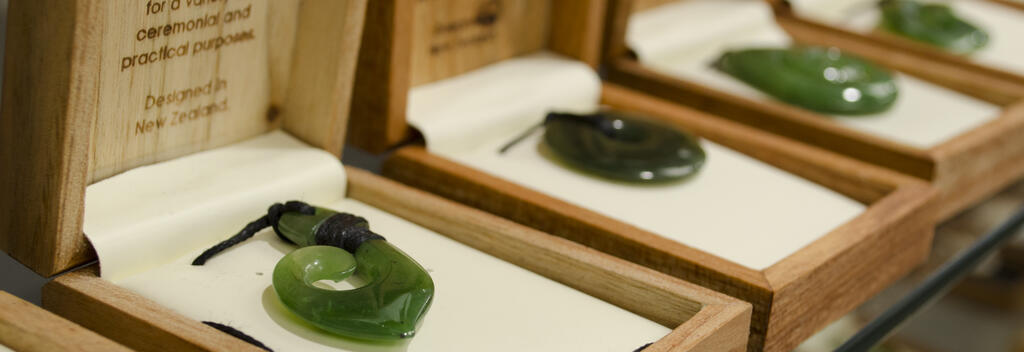

There are many beliefs surrounding pounamu, one of which is that one should not carve or buy pounamu for oneself. Just as pounamu was a gift from the land in its natural form, carved greenstone should always be a gift between people.
To learn more about greenstone carving, and shop for authentic, meaningful gifts for your loved ones, visit Mountain Jade(opens in new window) in Rotorua for a free guided visit of their workshop.
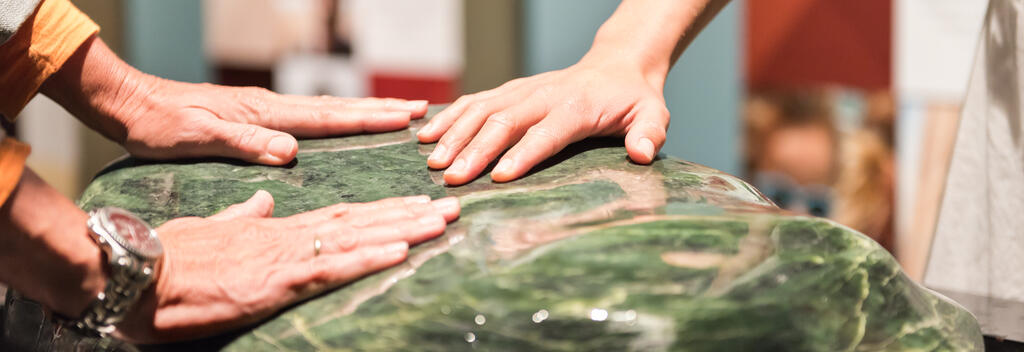
All pounamu is sourced from riverbeds on the South Island(opens in new window)’s West Coast, Te Tai Poutini. Take a greenstone tour(opens in new window) along the Arahura River for a Māori cultural experience.