



Backpacking offers flexibility and memories that last a lifetime. Here’s how to get the most out of your backing trip to Aotearoa New Zealand.
Hostels are a great option if you’re looking for cheap accommodation. You’ll find them almost everywhere. Most hostels offer a mix of private and shared rooms, plus communal spaces like kitchens and laundry facilities. Expect to pay between NZD $30 and $50 per night for a shared dorm and $50 and $85 for a private room.
With so much to do in Aotearoa New Zealand, you’ll want to stay as long as possible. If you’re aged 18 to 30, a working holiday visa(opens in new window) lets you live and work in the country for up to 12 months. More than 40 countries are eligible – and for some, the age limit extends to 35.
Get free food and accommodation by joining WWOOF New Zealand(opens in new window). This programme connects travellers with organic farms across the country, providing participants with meals and a place to stay in exchange for light farm work, typically 2-4 hours per day.
If you’re lucky enough to look under 18, expect to be asked for your ID when buying alcohol or entering a bar. New Zealand is also strict about what forms of ID are accepted. So, if you’d rather not carry your passport on a night out, you’ll need a Kiwi Access Card. You can apply for one by visiting at participating NZ Post store(opens in new window).

How much you’ll spend depends on your lifestyle, but you should budget at least NZD $80-$120 per day. Hostels typically cost $30-$50 per night, and if you cook your own meals, expect to pay $15-$30 a day for food. Transport costs vary, but with good bus connections across the country, you can go just about anywhere without breaking the bank.
Thanks to Aotearoa New Zealand’s mild climate, most activities can be enjoyed year-round. Skip the busy summer months (December to February) and you’re more likely to score travel deals.
Pro tip: Seasonal and hospitality work picks up in summer, so consider taking a summer job and travelling in autumn – then hit the ski fields when the snow settles, another great time to land a spot of seasonal work.
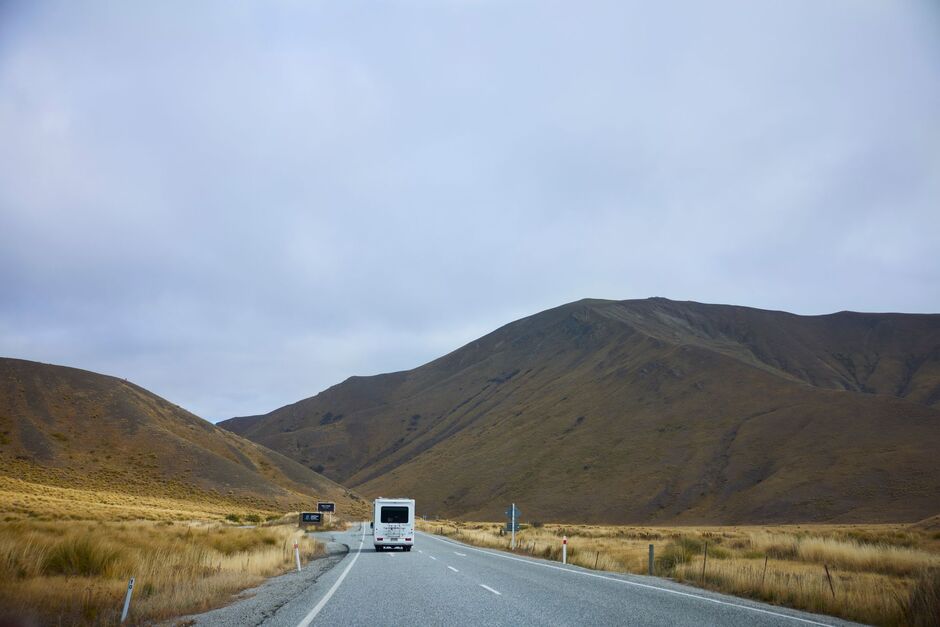
If you’re planning to travel by rental car or campervan, consider starting at the bottom of the South Island and heading north. Most travellers do the opposite – flying into Auckland and driving south. This means fewer vehicles going north, which encourages companies to offer incentives – usually discounts – to people willing to take the less common route. With plenty of flights into Christchurch and Queenstown, beginning in the south is not only convenient, it’s often cheaper.

• Passport
• Visa
• NzeTA(opens in new window) – apply online before you travel
• Travel insurance
• Go for a 40-70 litre backpack, plus a day pack
• Use travel cubes to stay organised
• Don’t forget a New Zealand-compatible plug adapter (Type 1)
• Sunscreen (SPF 50+), sun hat, and sunglasses – the UV here is very strong
• Inset repellent
• Earplugs
• Pack layers – the weather is changible
• Waterproof jacket
• Swimwear
• Hiking boots with ankle support
• Camera and chargers
• Refillable water bottle
• Quick-dry towel.
It may be far, but it's easy to get to here.
Find out why getting around New Zealand is easy as.
Want to know more about New Zealand? Sweet. Check this out.
Check out the range of accommodation options in New Zealand.
Looking for deals