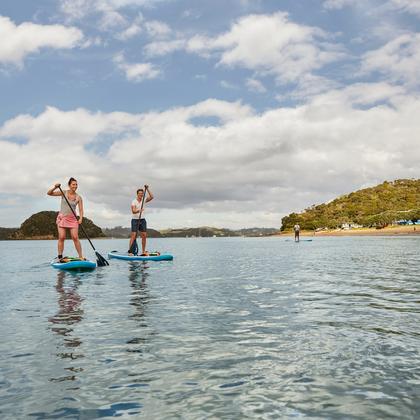
In May 2026, New Zealand welcomes the World Surf League Championship Tour to its shores, with Raglan hosting the world’s best surfers.

World Surf League Tour

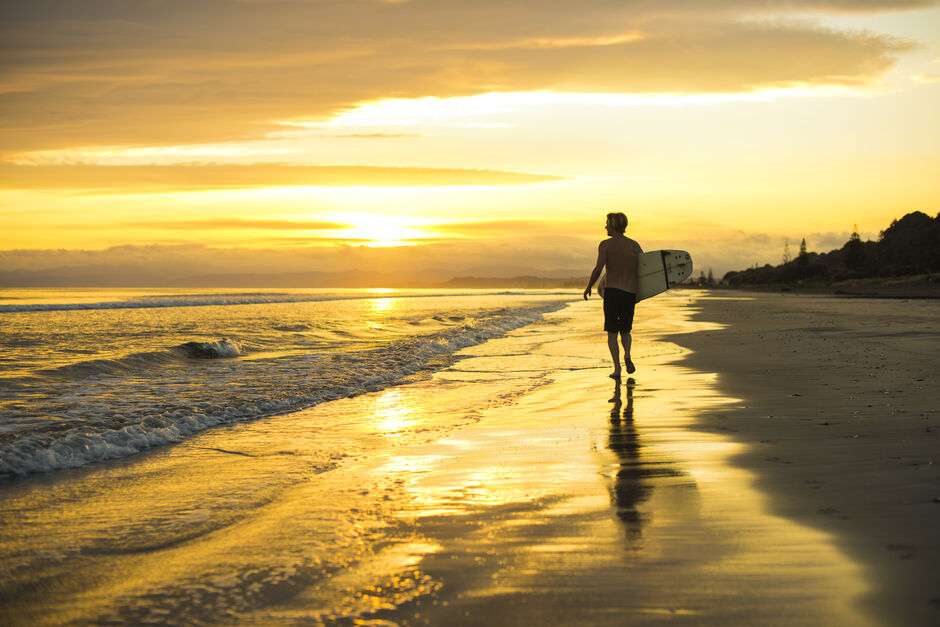
Surfing at sunset
Waikato
Surfing at sunset, Waikato

Dates

15-25 May 2026

New Zealand is a premier global surfing destination, with over 15,000 kilometres of coastline offering diverse breaks — from world-class point breaks to powerful beach breaks. The North Island is generally warmer and more accessible, while the South Island offers more rugged, uncrowded reef and point breaks. It’s this depth and quality of surf that sees the World Surf League bring its Championship Tour to Raglan in 2026, where long, clean left-hand point breaks and reliable Tasman Sea swells create ideal conditions for world-class competition.

How to get to Raglan:

Driving from Auckland takes about 2 hours; from Hamilton takes about 45 mins. 
Top NZ surfing locations

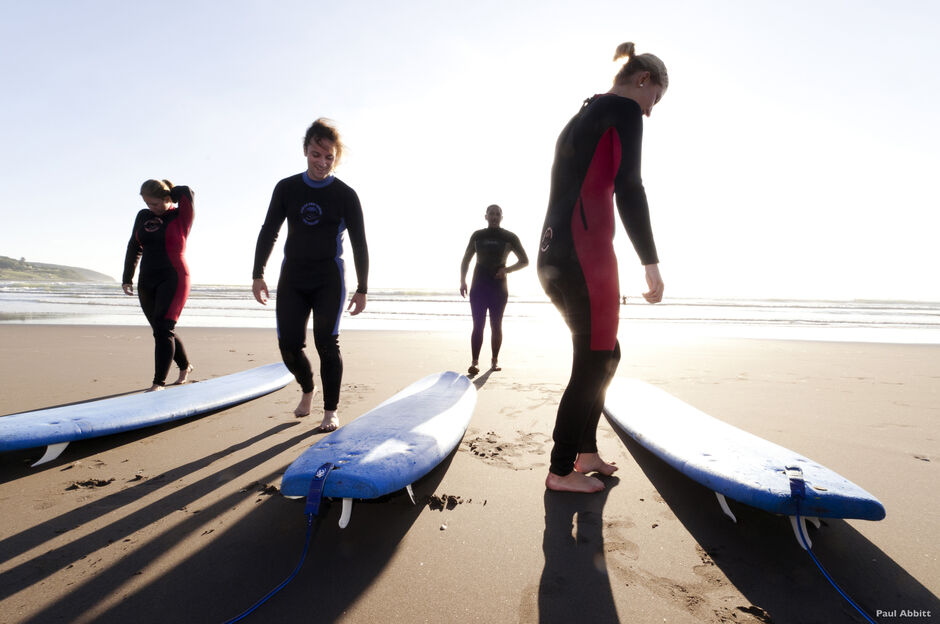
New Zealand’s accredited surfing schools have refined the art of teaching people how to surf.
Tairāwhiti Gisborne
Surfing, Gisborne, Tairāwhiti Gisborne

  • Raglan (North Island): Famous for Manu Bay, Whale Bay, and Indicators, offering some of the longest, most consistent left-hand breaks in the world.
  • Gisborne (North Island): Known as the "Surf Capital of NZ" with consistent swells and a variety of breaks.
  • Taranaki (North Island): Features the "Surf Highway 45" with over 100+ surf breaks, including Stent Road.
  • Mangawhai & Te Arai (North Island): Renowned for consistent, high-quality waves, ideal for both beginners and experienced surfers.
  • Kaikoura (South Island): Offers powerful, scenic waves against a backdrop of snow-capped mountains.
  • Dunedin/Otago (South Island): Features consistent, often challenging, cold-water surf at spots like St Clair.

Key information

Surfing Ōhope Beach sunrise
Bay of Plenty
Surfing Ōhope Beach sunrise, Bay of Plenty

  • Best Time to Go: Summer (December–February) for warmer water and consistent, manageable waves. Winter (June–August) offers larger, more powerful swells but requires thick wetsuits.
  • Water Temperature: Generally temperate, but a 3/2mm or 4/3mm wetsuit is necessary, especially in the South Island where booties and gloves are often needed.
  • Surf Culture: Friendly, relaxed, and often centred around remote, natural settings. Many spots are accessed through farmland, requiring respect for landowners.
  • Beginner Spots: Places like Orewa Beach, Mangawhai, and Raglan offer great, safe, and consistent options for learning.

Surf safety

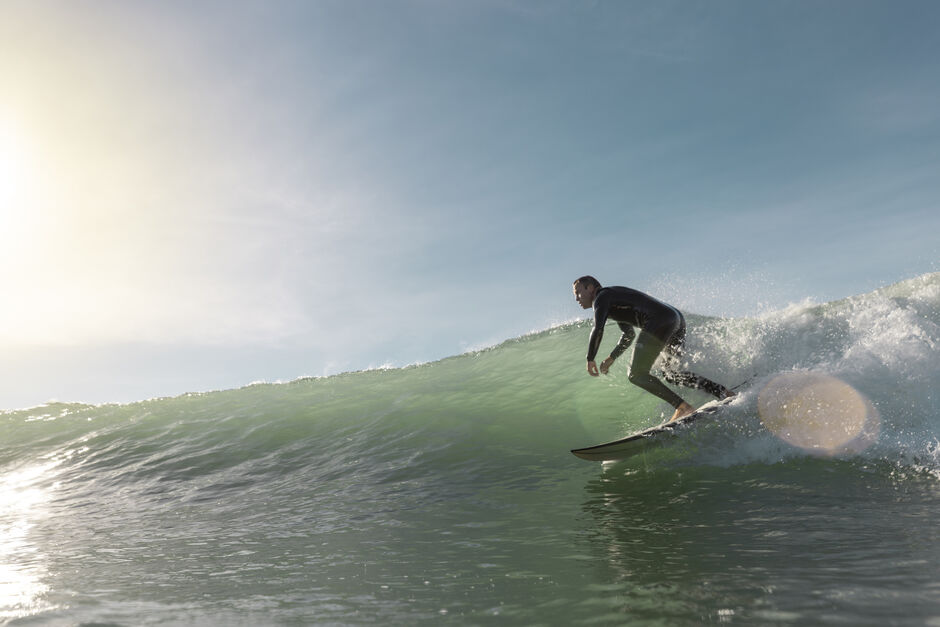
Surfer riding a wave at Wainui Beach in Gisborne
Tairāwhiti Gisborne
Wainui Beach, Tairāwhiti Gisborne

New Zealand’s coast is powerful and unpredictable. Stay safe with these core rules:

The Essentials:
  • If in doubt, stay out: If the conditions look too big or messy for your skill level, don't risk it.
  • Never surf alone: Always head out with a mate or at a lifeguarded beach.
  • Check the forecast: Use tools like MetService(opens in new window) or Safeswim(opens in new window) to check swell, wind, and water quality before you go.

Surviving a rip

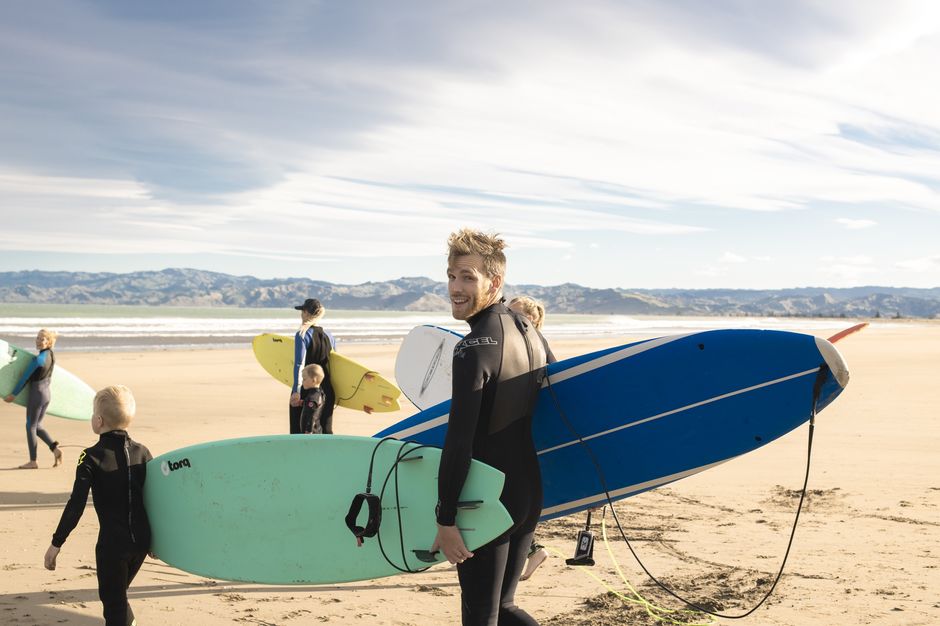
Whether you're a beginner or experienced, the coastline around Gisborne is known for its clean, reliable surf.
Tairāwhiti Gisborne
Surfing lesson, Tairāwhiti Gisborne

A rip current (often called a rip) is a narrow body of water moving out to sea. 

If caught, remember the 3Rs:

1.    RELAX: Stay calm and float. Rips won't pull you under; they just take you for a ride.
2.    RAISE: Put your hand up to signal for help.
3.    RIDE: Float with the current until it weakens, then swim parallel to the shore to get back in.
The lineup code

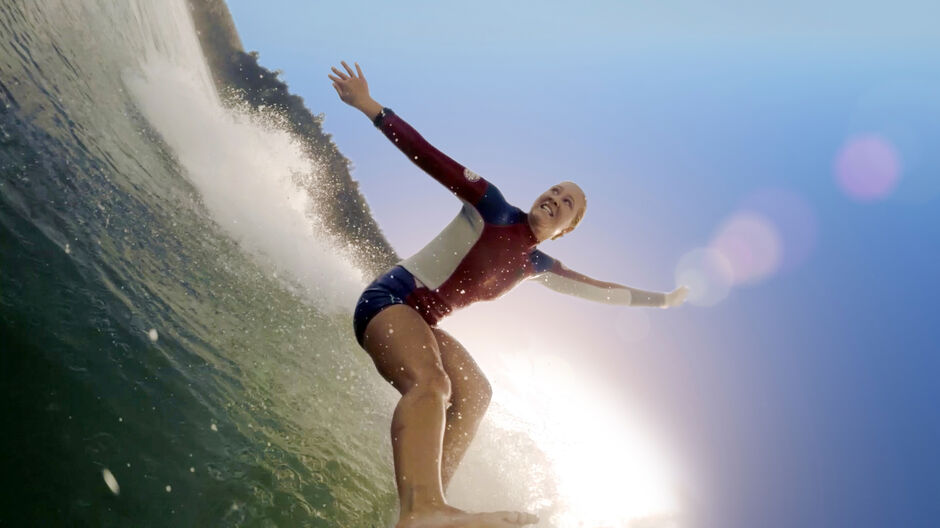
Whangamatā local, Pro Surfer Ella Williams, surfing the famous Whanga' left
Coromandel
Surfing Whangamatā, Coromandel

•    Right of Way: The surfer closest to the peak (the breaking part of the wave) has priority.
•    Don’t "Drop In": Never take off on a wave if someone is already on it.
•    Paddle Wide: When heading out, stay away from the "impact zone" where others are riding.

Find surfing activities