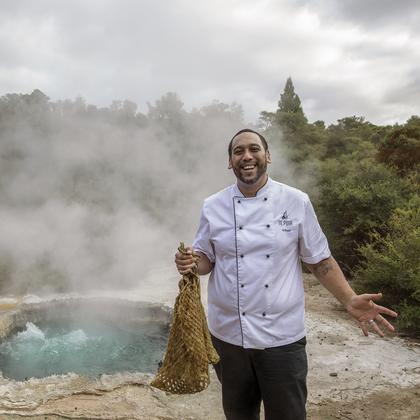
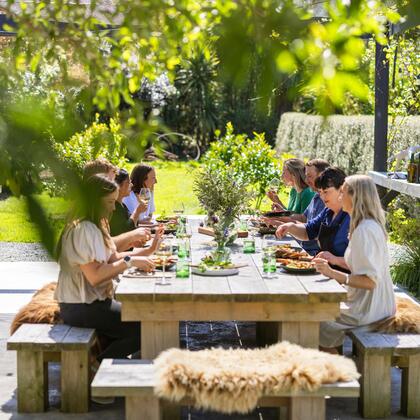
New Zealand’s long coastline supports a diverse range of seafood, with many species closely associated with particular regions. Taste local favourites including green-lipped mussels, pāua, crayfish, oysters and king salmon.
New Zealand's fisheries and aquaculture are managed to help protect seafood stocks and the marine environment. When buying seafood, look for sustainably sourced options, including the MSC (Marine Stewardship Council(opens in new window)) blue label for certified wild-caught seafood and the ASC (Aquaculture Stewardship Council(opens in new window)) green label for farmed seafood.
If you're planning to catch or gather seafood yourself, check the local fishing rules first. Catch limits, minimum sizes, seasons and closed areas vary around New Zealand.
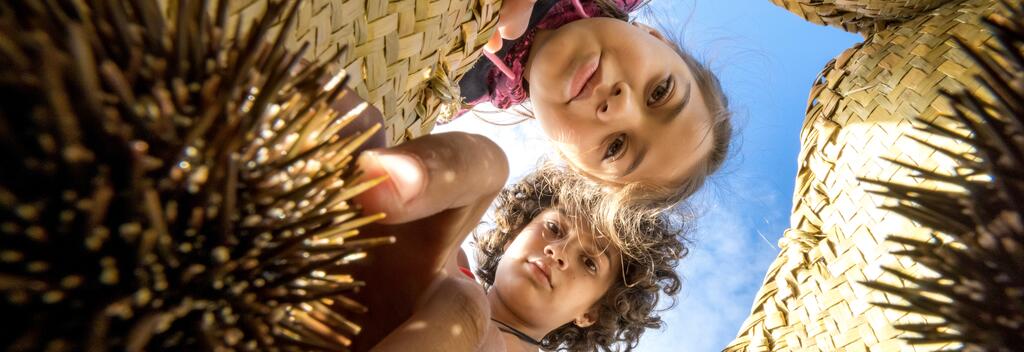

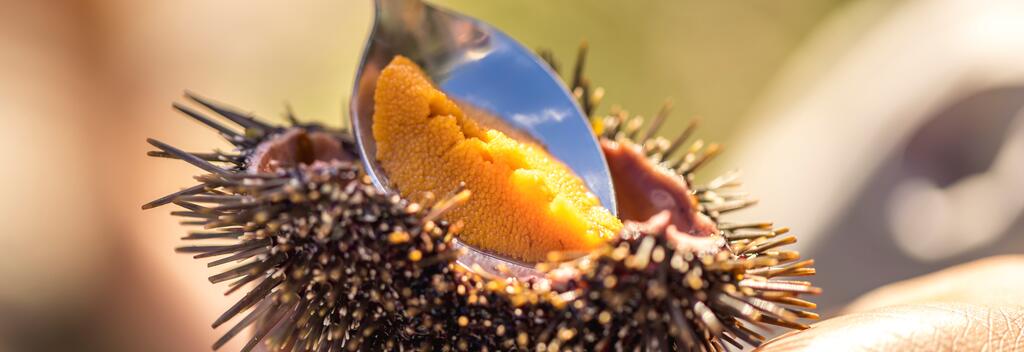
Covered in a shell of brown spikes, kina look much like a rolled-up hedgehog. There's no denying New Zealand's native sea urchin is an acquired taste — rich, sweet, briny, creamy and undeniably oceanic, pure flavour created exactly as nature intended. Kina may be eaten raw when obtained from a safe, lawful source, or used in cooked dishes such as fritters, sauces and seafood preparations. Best harvested in spring, from September to November.
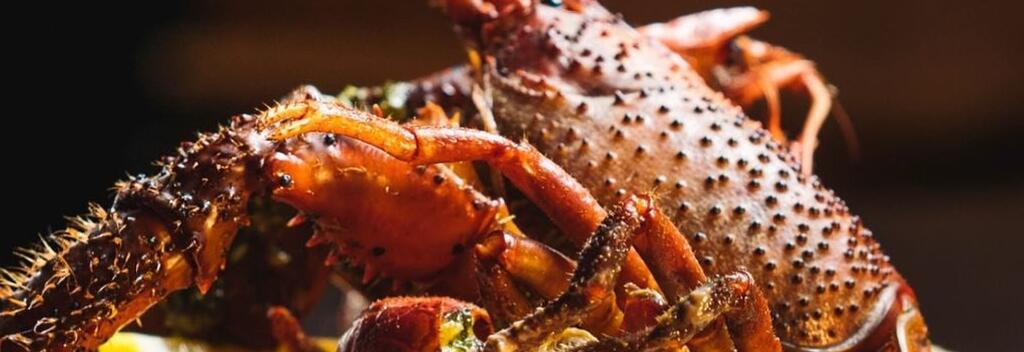

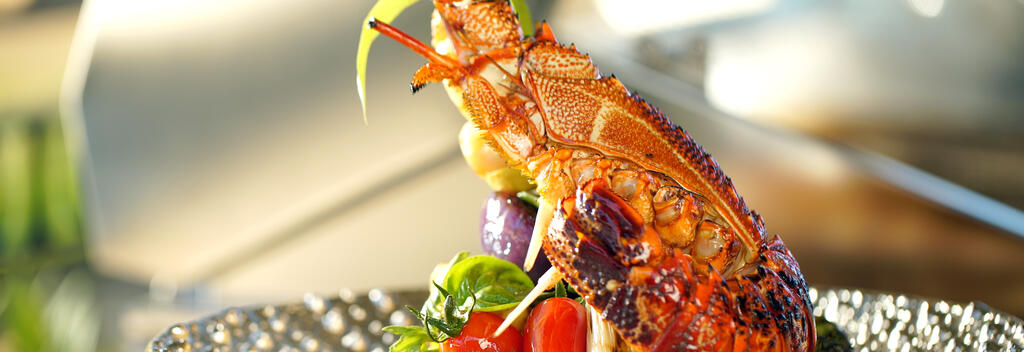
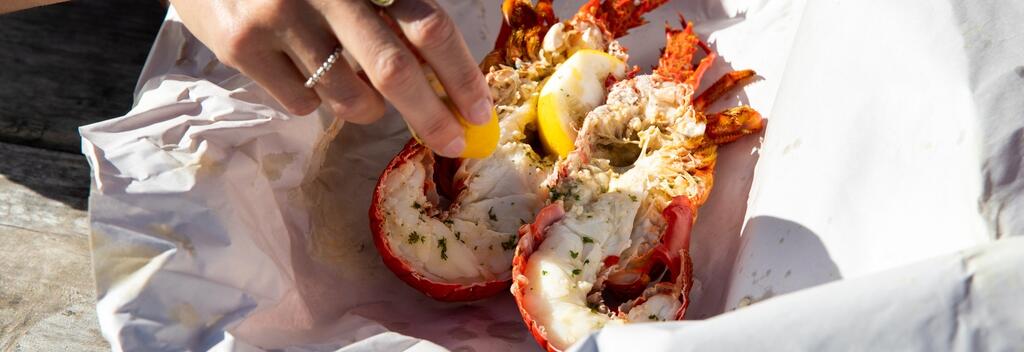

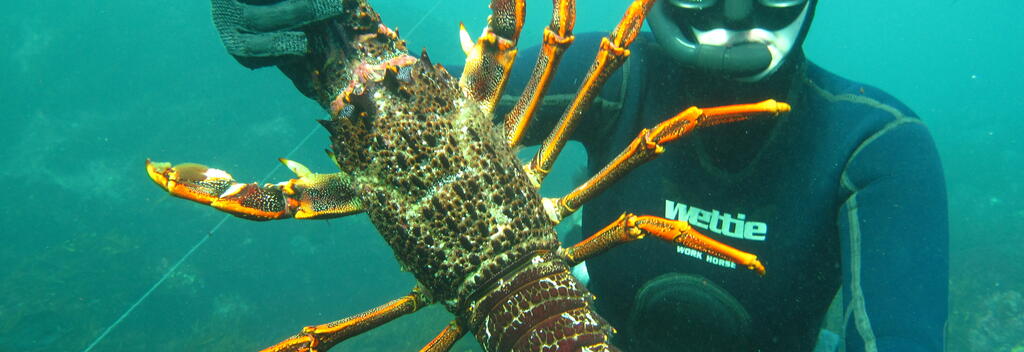
New Zealand's crayfish are similar to lobster, but clawless and with one less pair of legs. Preferring rocky areas and deep sea beds, they're especially abundant in Kaikōura in late winter and spring, between June and November — creamy, rich, and often the centrepiece at Christmas or special events
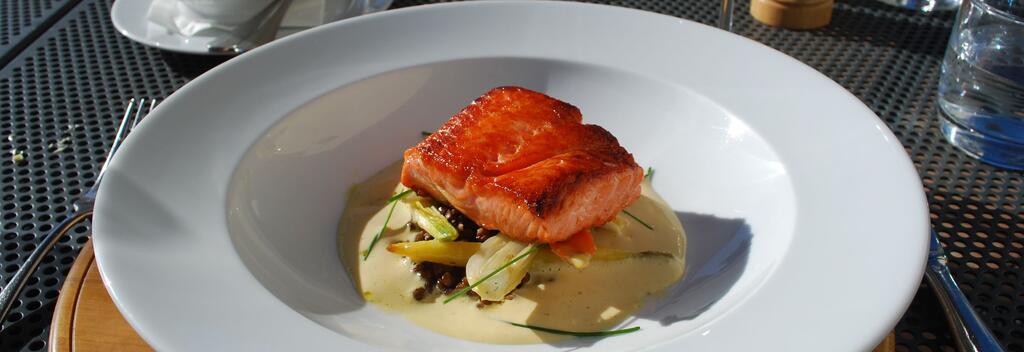

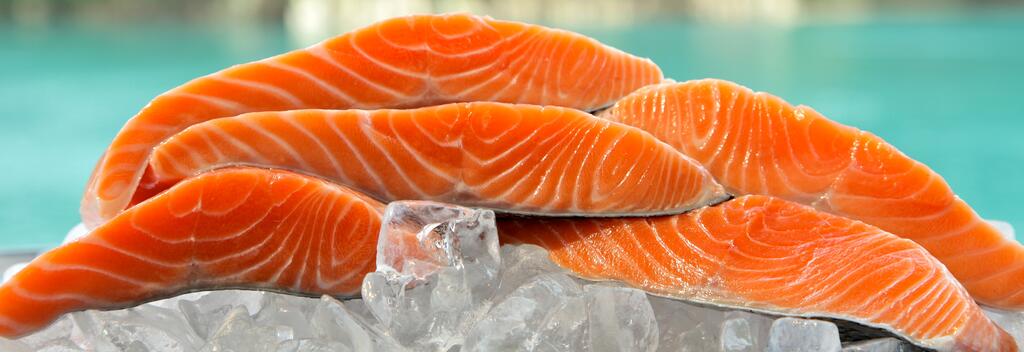

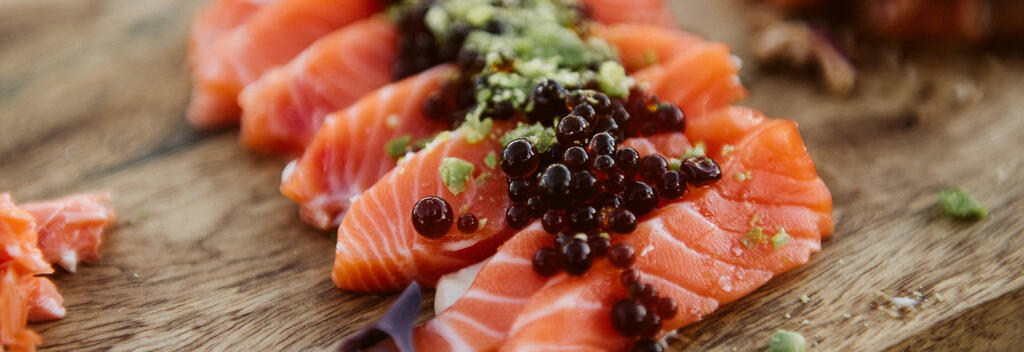

New Zealand accounts for over half the world's production of king salmon. Raised in pristine waters, it has earned the nickname "Wagyu of the sea" for its rich, buttery texture — produce shaped entirely by New Zealand's unique environment. These salmon flourish in the cold waters of Mt Cook (Aoraki), Wānaka, and Akaroa. Peak season runs late December to March.
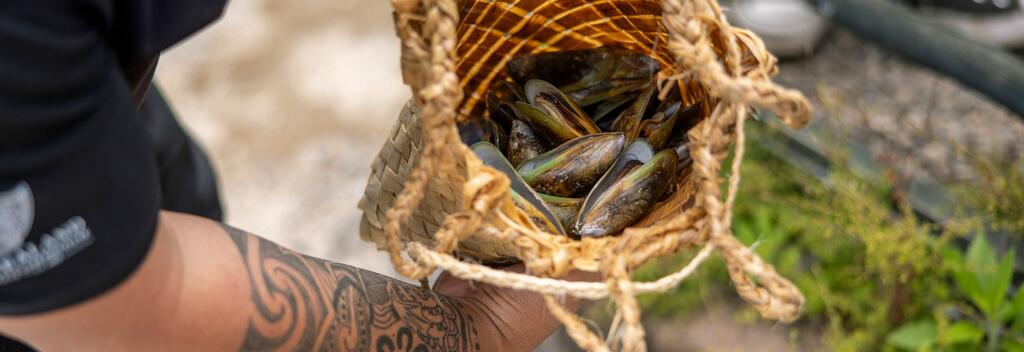

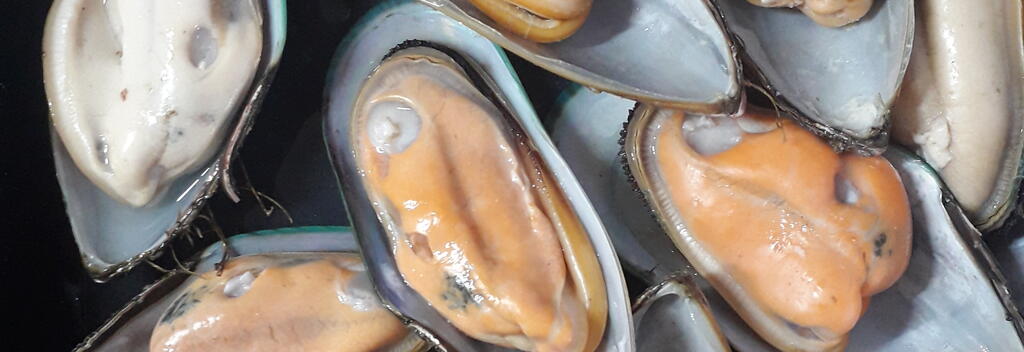
Easily distinguished by their dark green shell with a bright green lip, New Zealand's green-lipped mussels are harvested year-round, most grown in farms across the country. Male mussels are white, females orange — both the same flavour. Most commonly steamed with white wine and garlic, but equally good baked or as a fritter.
Most New Zealand green-lipped mussels are farmed rather than wild-caught. This aquaculture approach helps reduce pressure on wild mussel stocks.
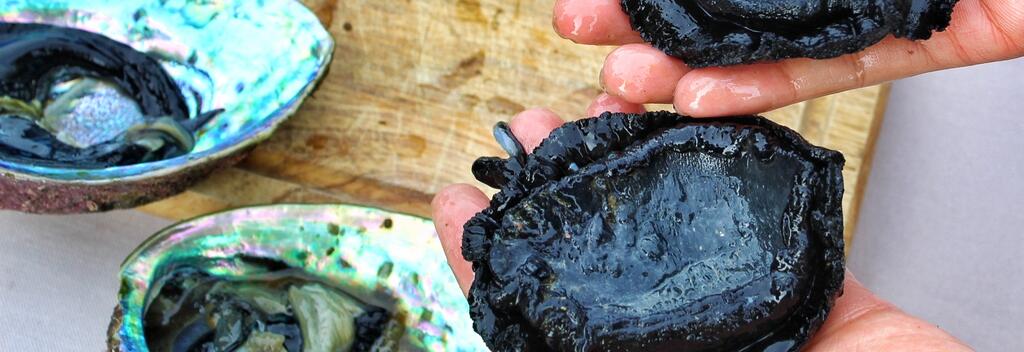
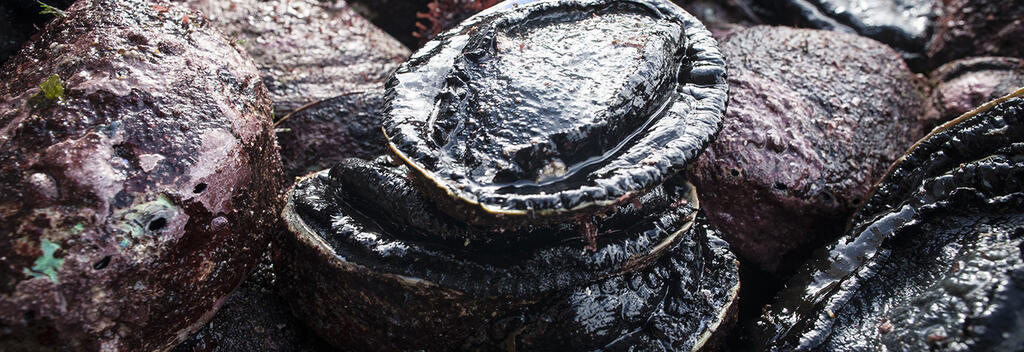
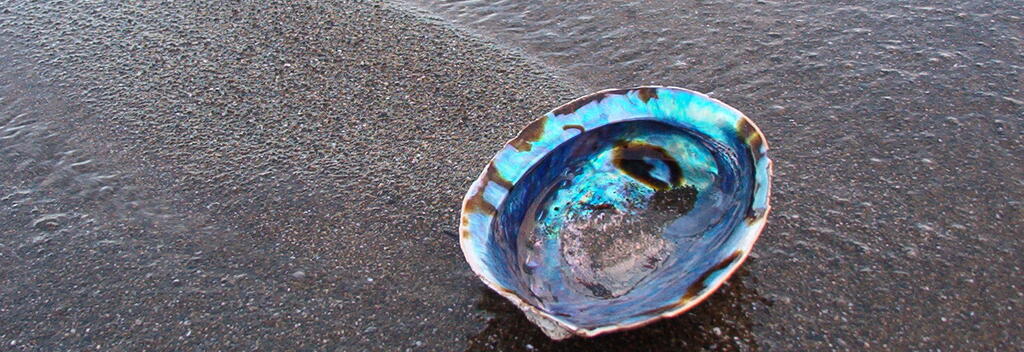
Pāua is a New Zealand species of abalone valued for its firm flesh and distinctive iridescent shell. Whether it’s wrapped in paper down at the local fish and chip shop or served amidst refined conversation and the polite tinkling of cutlery in a fine dining restaurant, it tastes just as good either way.
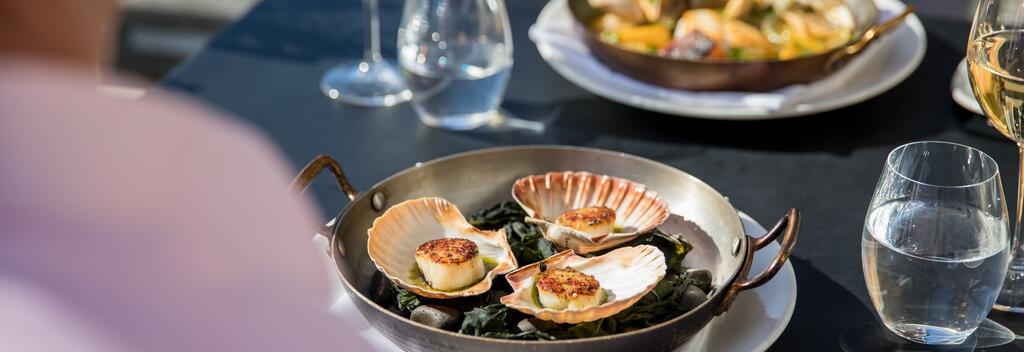

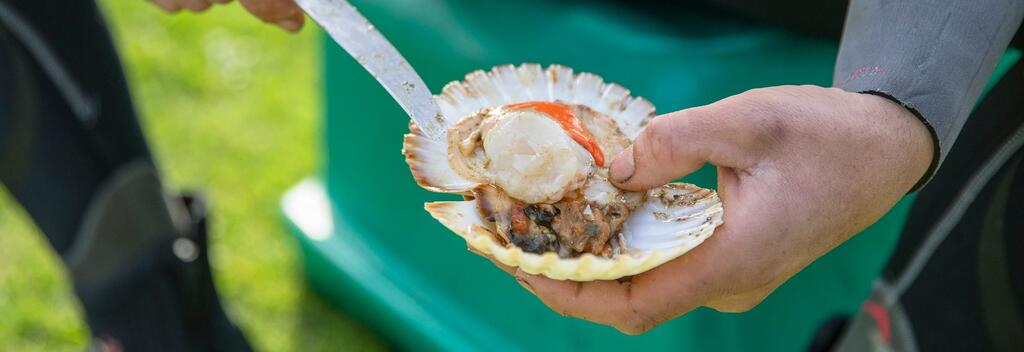

Whether pan-seared in garlic butter, grilled with streaky bacon, or crumbed in finely chopped macadamia nuts, freshly caught scallops are a great summer treat. Found across the country, but prefer the warmer waters of the North Island.


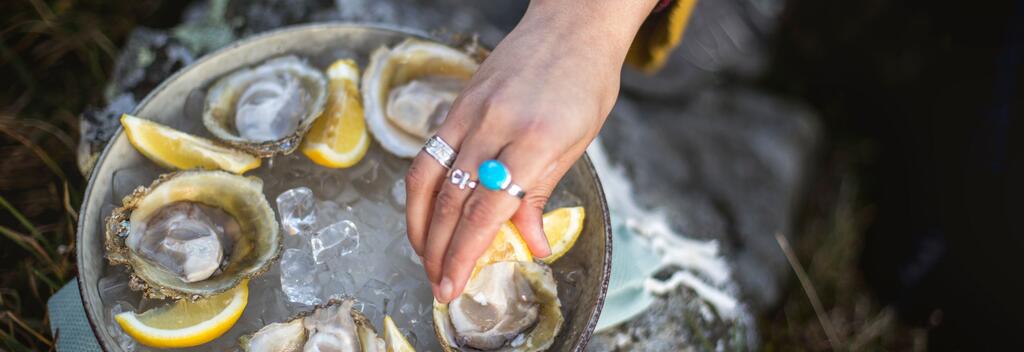

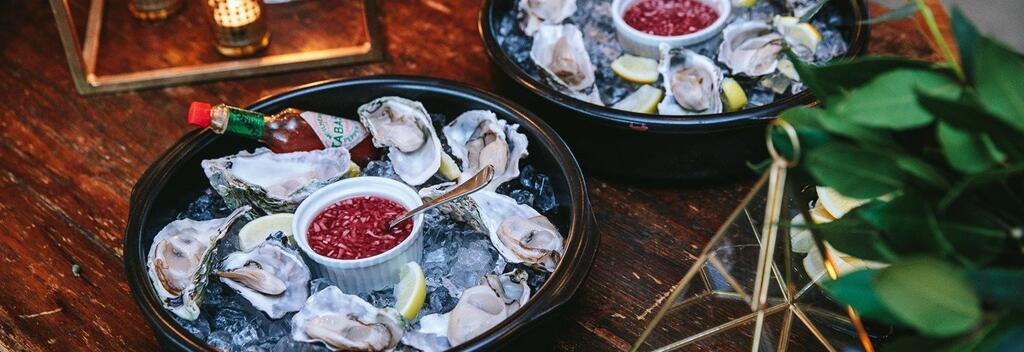
Large, plump and juicy, New Zealand oysters have earned a reputation as some of the finest in the world. April to December is when the flesh is fat and crisp, while October to December brings a creamier texture. The Bluff oyster is the largest species in New Zealand — thicker, more intense in flavour, and often large enough to cover an entire palm. Best eaten fresh and raw from the shell, and best known through the Bluff Oyster and Food Festival.

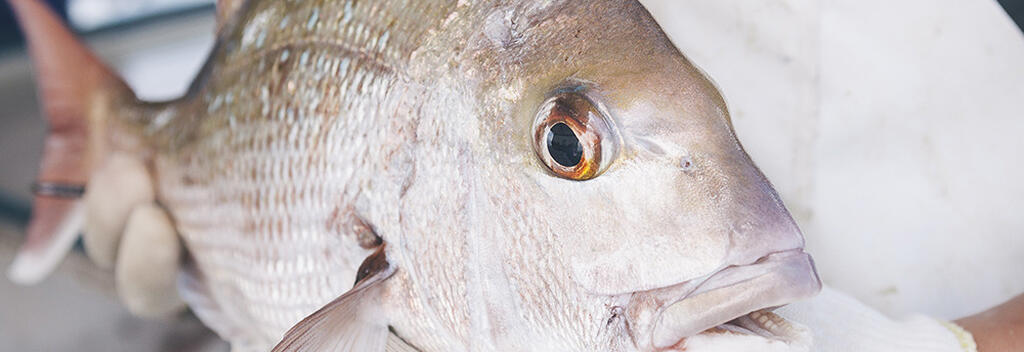
Snapper — Tāmure in Māori — is the most popular fish to eat in New Zealand, with white flesh and a sweet, mild flavour. Gurnard, with its firm white meat, and kahawai, often smoked over mānuka-wood chips, are also popular. During winter, blue cod is abundant in southern New Zealand, its thick, delicate, flaky fillets a chowder favourite.

Find out about New Zealand's legal requirements for fishing and strict quotas for collecting seafood. Help us to protect the future of all fish and seafood species in New Zealand.

Find out how you can care for land, sea and nature, treading lightly and leaving no trace when in New Zealand.