Cape Reinga or Bluff
Tackle one of the world's most diverse long-distance trails, spanning the length of Aotearoa New Zealand.
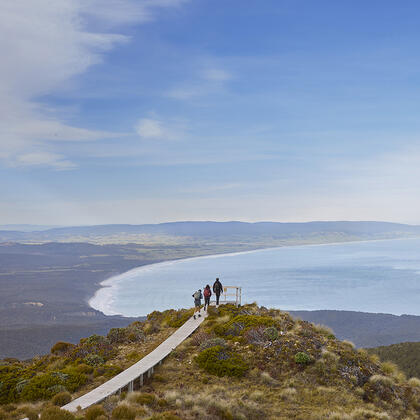
Te Araroa is a 3,000-kilometre trail that runs the full length of Aotearoa New Zealand, from Cape Reinga in the north to Bluff in the south. It crosses alpine passes, native forests, farmland, and urban centres, and typically takes four to six months to complete. This is a trail for seasoned hikers, requiring strong navigation skills, backcountry experience, and a high level of self-reliance.
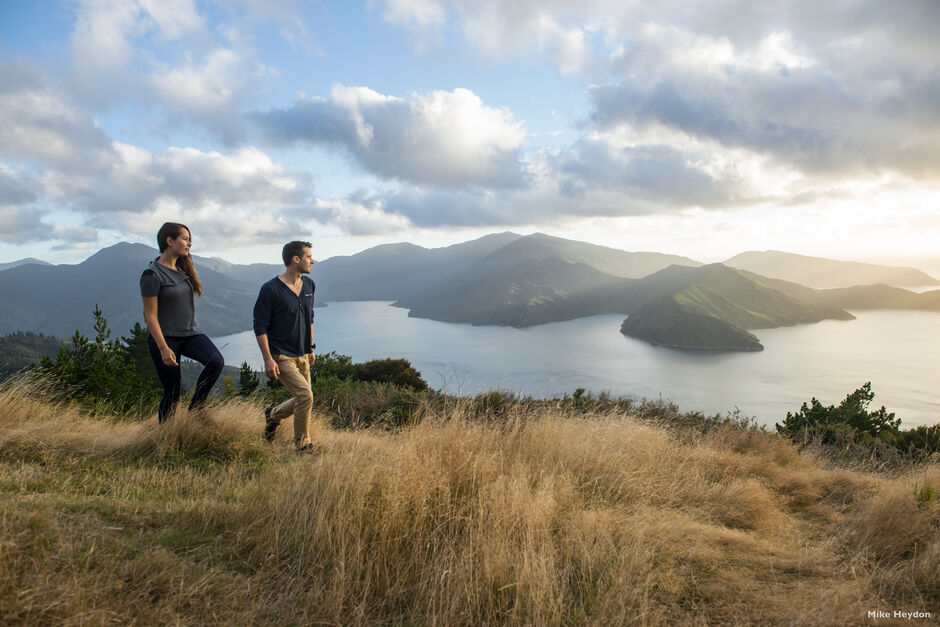
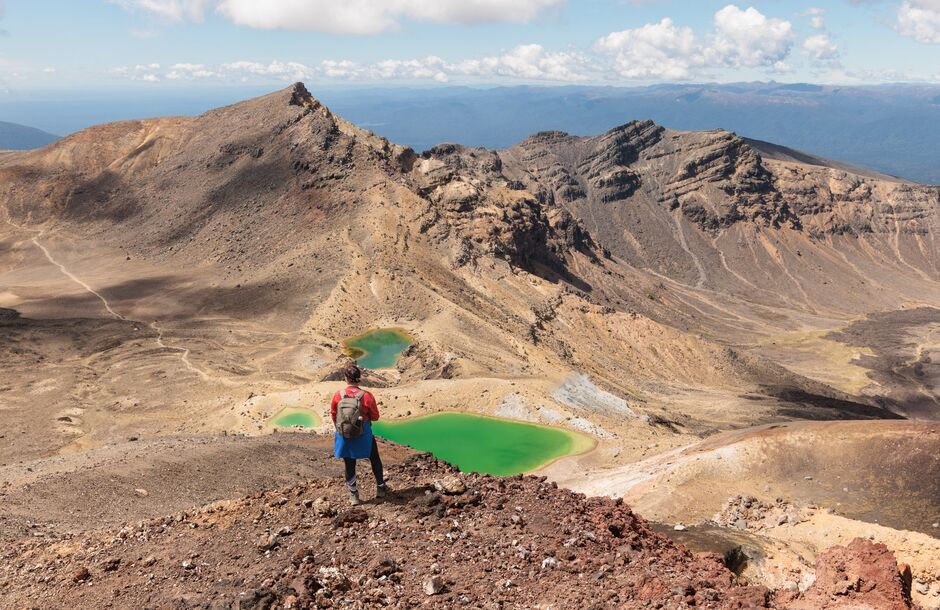
The trail comprises a network of some of New Zealand’s best hikes. If you don’t want to walk the entire journey, you can walk sections of it or return over time to complete the full route. Some of the most popular sections include the Queen Charlotte Track, Tongariro Alpine Crossing, Whanganui River Journey, Ninety Mile Beach, and the Richmond Ranges.


While many parts of the trail are easy walking, the alpine and remote forest sections require advanced hiking skills, including navigation and river crossing. The weather is changeable so you will need to carry survival equipment and understand how to prevent hypothermia.
You need at least a moderate level of fitness when you begin Te Araroa, which includes alpine regions with significant vertical gain. Your fitness will build over the first weeks of the hike, but the fitter you are at the start, the better your chances of finishing.

Hikers walk the trail in both directions, typically starting in spring (September to November) or early summer (December). If you are starting later in the season, it’s advisable to begin in the South Island, which is colder and more exposed than the North.
Some lowland and urban sections are safe to walk year-round; however, if you plan to walk the entire journey in a single go, we recommend starting during the official walking season.
Note: Most of the South Island, the Tararua Ranges, and the Tongariro Crossing should not be attempted between May and October, due to snow, avalanches, and heavy rain.
New Zealand is considered relatively safe. It is free of predators, snakes, and poisonous insects, and many hikers complete the trail solo. Trail Angels – local volunteers who live along the route – often give support to weary hikers, such as a spot to camp for the night, a hot drink, a shower, or a lift to get supplies.

Walking the trail is free, although donations are welcome. You’ll need to budget for accommodation and food, which vary according to preferences. Most walkers spend between NZD $6,000 and $7,000, excluding equipment.