

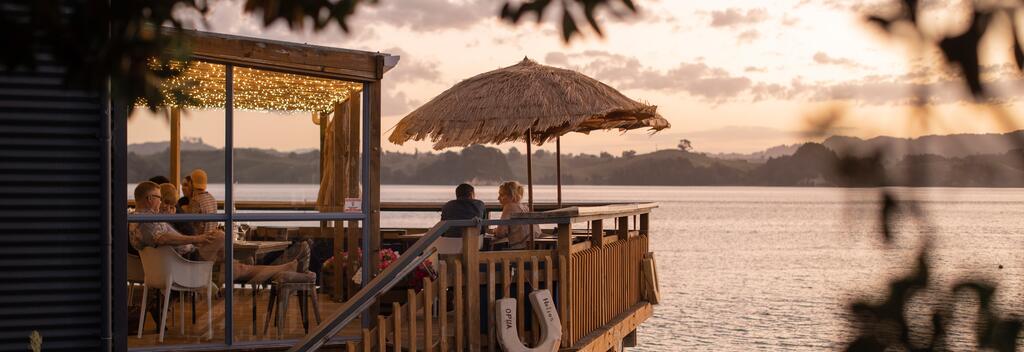

Most of New Zealand's food can be enjoyed year-round, but each season brings its own highlights.
New Zealand food is shaped by the seasons and the places where ingredients are grown, from spring berries and Marlborough seafood to autumn harvests and Southland's Bluff oysters.
While many foods are available year-round, travelling with the seasons can introduce you to fresh produce and regional specialties when they are at their most distinctive. The seasons run opposite to the Northern Hemisphere, so summer falls in December and winter arrives in June.
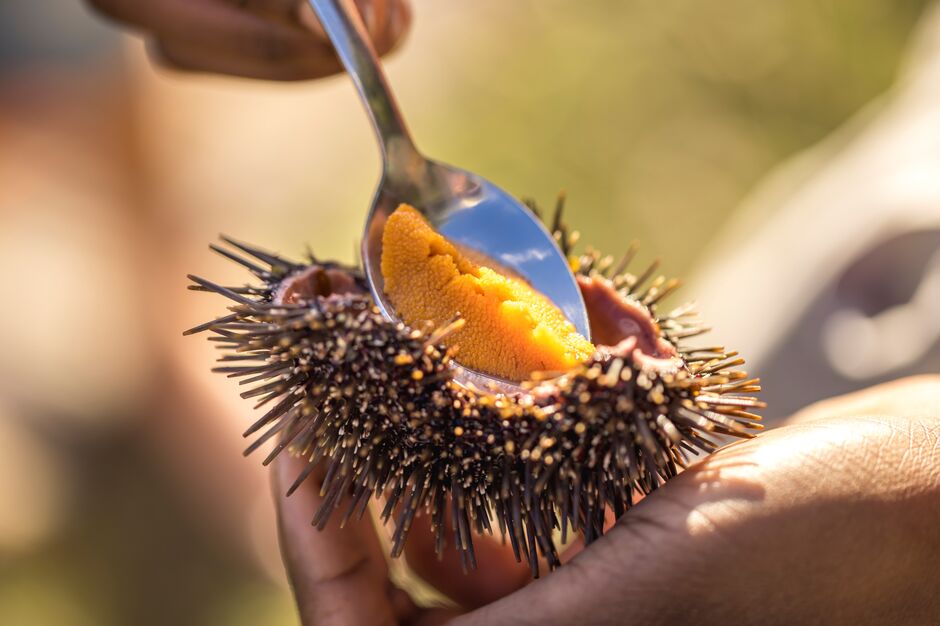

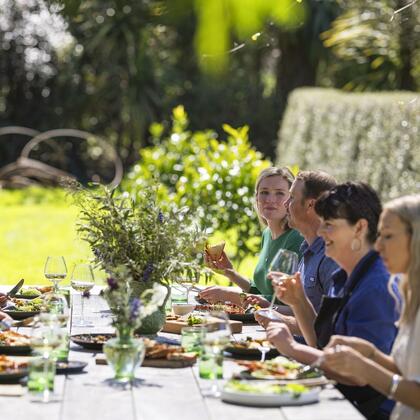
Summer is warm, and much of the eating happens outdoors. Along the coast, fresh seafood comes into season. Kina, a native sea urchin with a strong, briny flavour, can be found along rocky coastlines around the North Island, South Island and Chatham Islands.
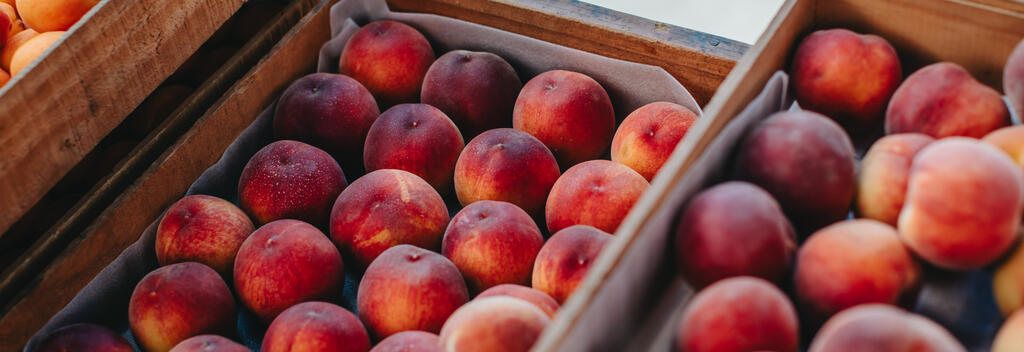
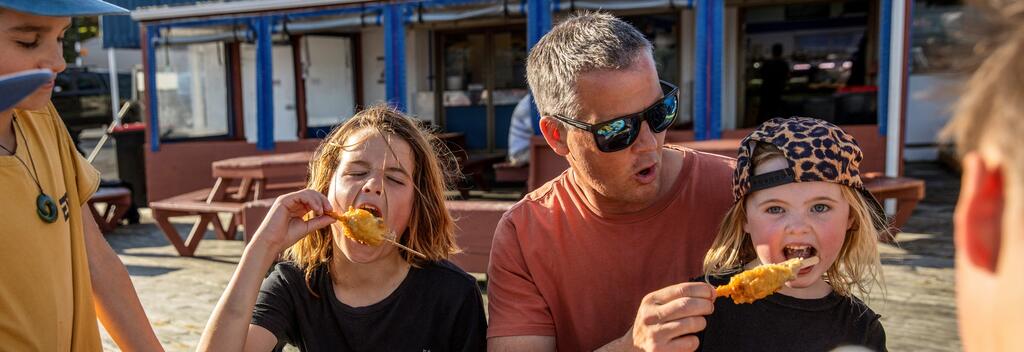
Summer is also a time for classic kiwi favourites. Pavlova, topped with cream and fresh fruit, often appears during this time, while fish and chips eaten by the beach remains favourite summer meal. Berry farms open during the harvest season, with freshly picked fruit often blended into real fruit ice cream sold at roadside stands.


Autumn is harvest season in New Zealand. Feijoa, one of the country's most recognisable seasonal fruits, appears in everything from home baking to preserves as soon as the season begins.
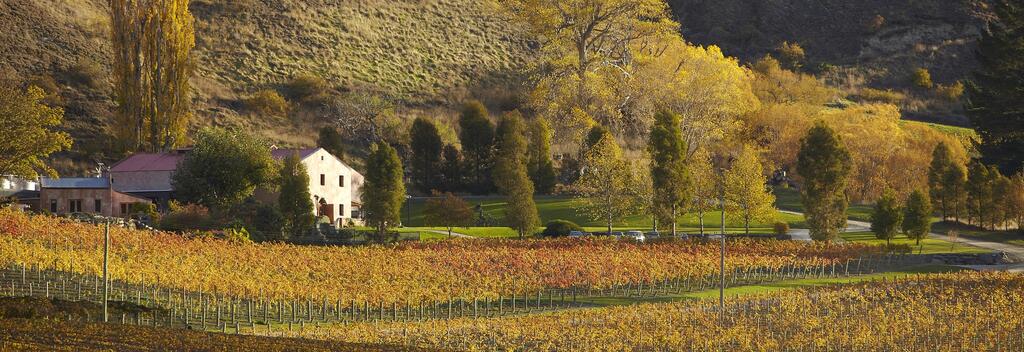
It's also grape harvest time across New Zealand's wine regions. As vineyards turn gold and red, events like the Clyde Wine and Food Harvest Festival(opens in new window), RIPE(opens in new window) in Wānaka and The Chardonnay Affair(opens in new window) in Gisborne bring together local wine and food.
Autumn is a great time to try seasonal specialties. Bluff oysters come into season in March and remain available through winter, while kūmara, apples and root vegetables are freshly harvested and widely featured on menus and at farmers' markets.
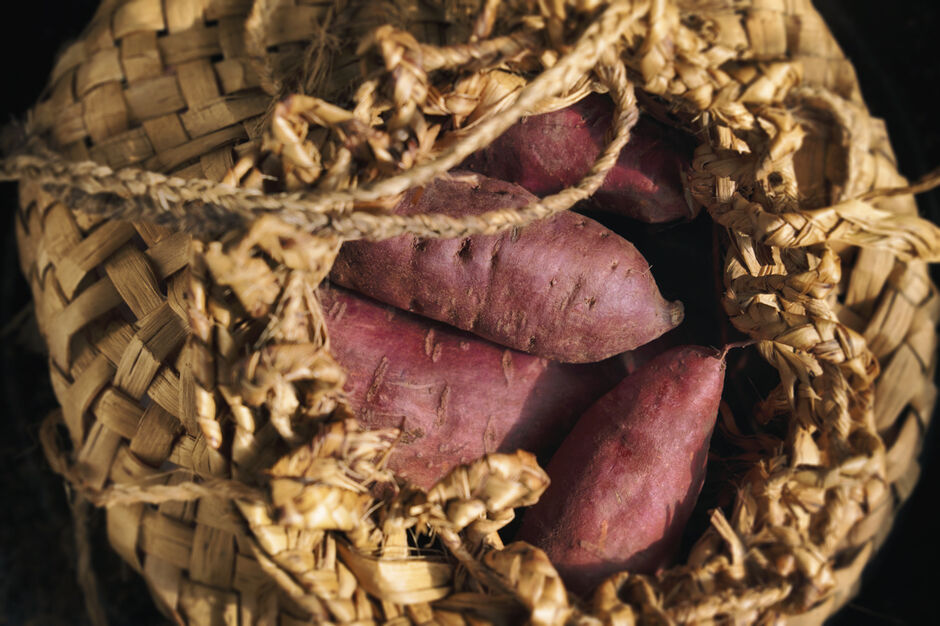

Winter is a season of gathering and sharing food. During Matariki, the Māori New Year, hākari (feasts) often feature hāngī-cooked dishes, alongside ingredients such as kūmara, kawakawa and kaimoana (seafood).
In Southland, cheese rolls are a winter favourite. Made with a savoury cheese filling and toasted until golden, they're a staple in cafés and homes. Citrus fruit and root vegetables are also in season and easy to find at farmers' markets around the country.
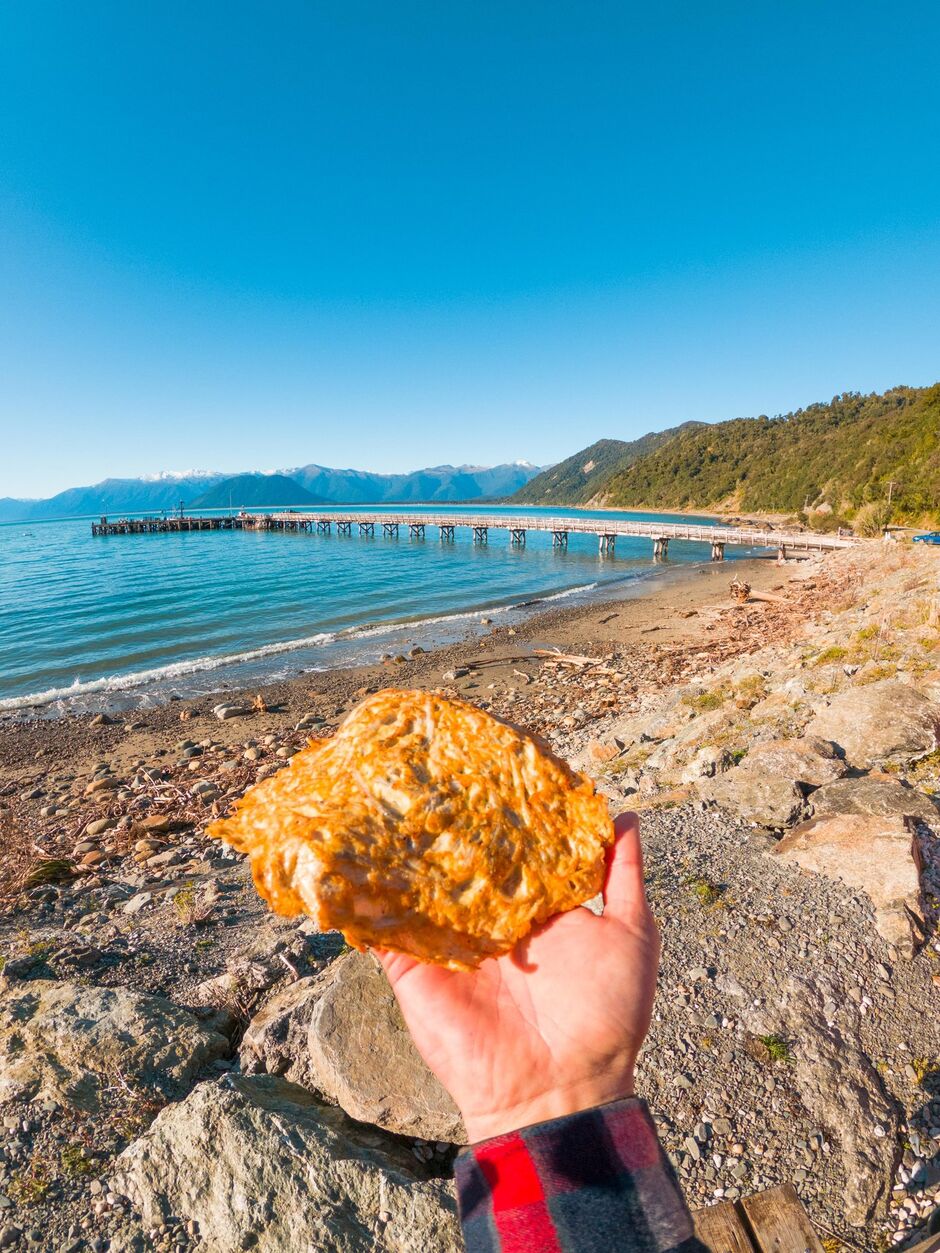

New Zealand's whitebait season runs from 1 September to 30 October, making early spring the traditional time to try whitebait fritters. You can try it along the West Coast of the South Island, which is widely regarded as the whitebait capital. The fritters are cooked to order, usually with a light batter or egg, and best eaten near the water.
Where to try
As the weather warms, spring lamb appears on menus across the country, while watercress and pūhā add fresh seasonal flavours to local dishes. The first berries of the season also arrive, showing up at farmers' markets and real fruit ice cream stands.
Every season offers something different, from summer beaches and hiking trails to winter ski slopes and colourful autumn landscapes.
Learn more about the available visa options and entry requirements into New Zealand.
Find more information on finding flights to New Zealand.
Explore different places to stay.